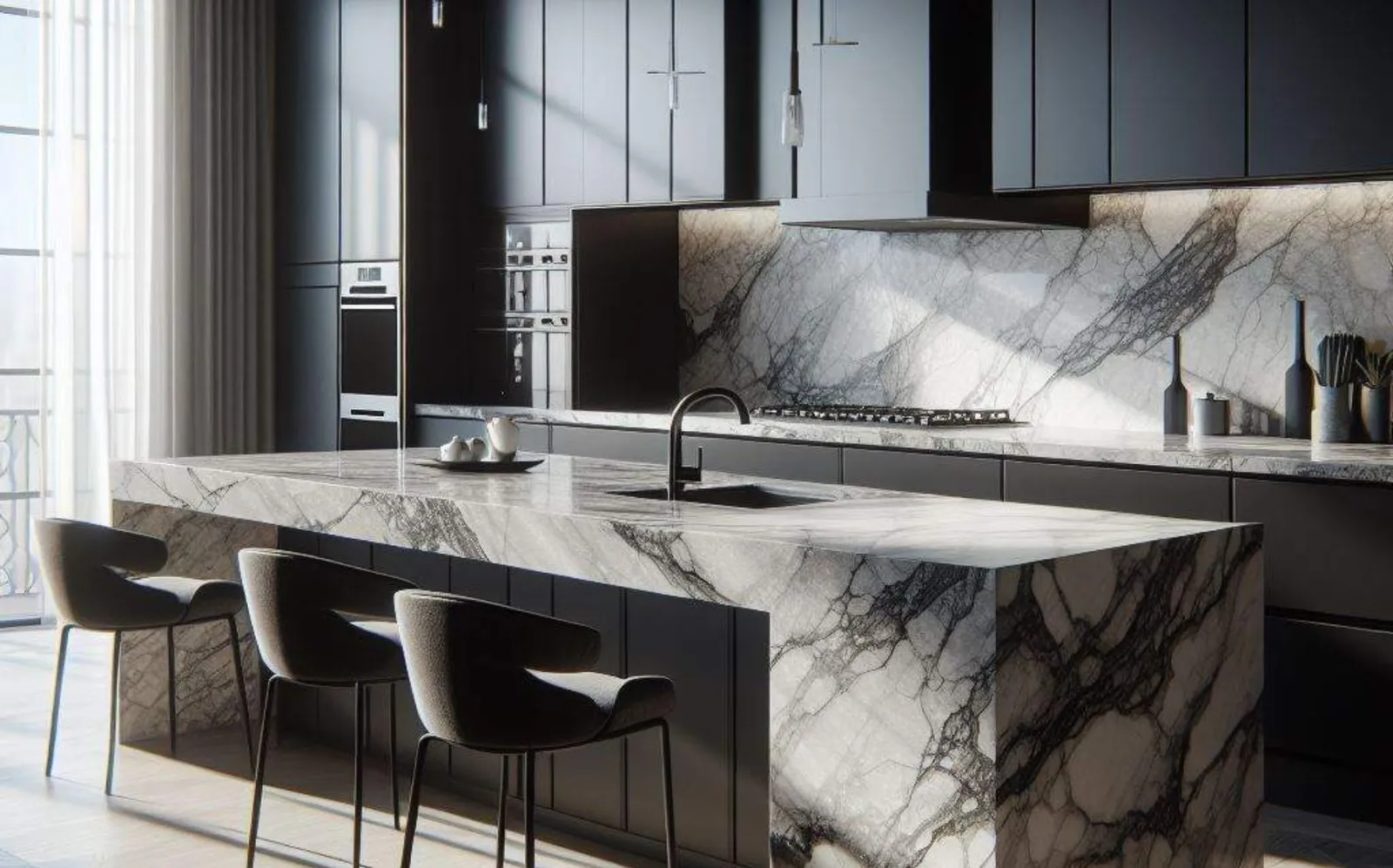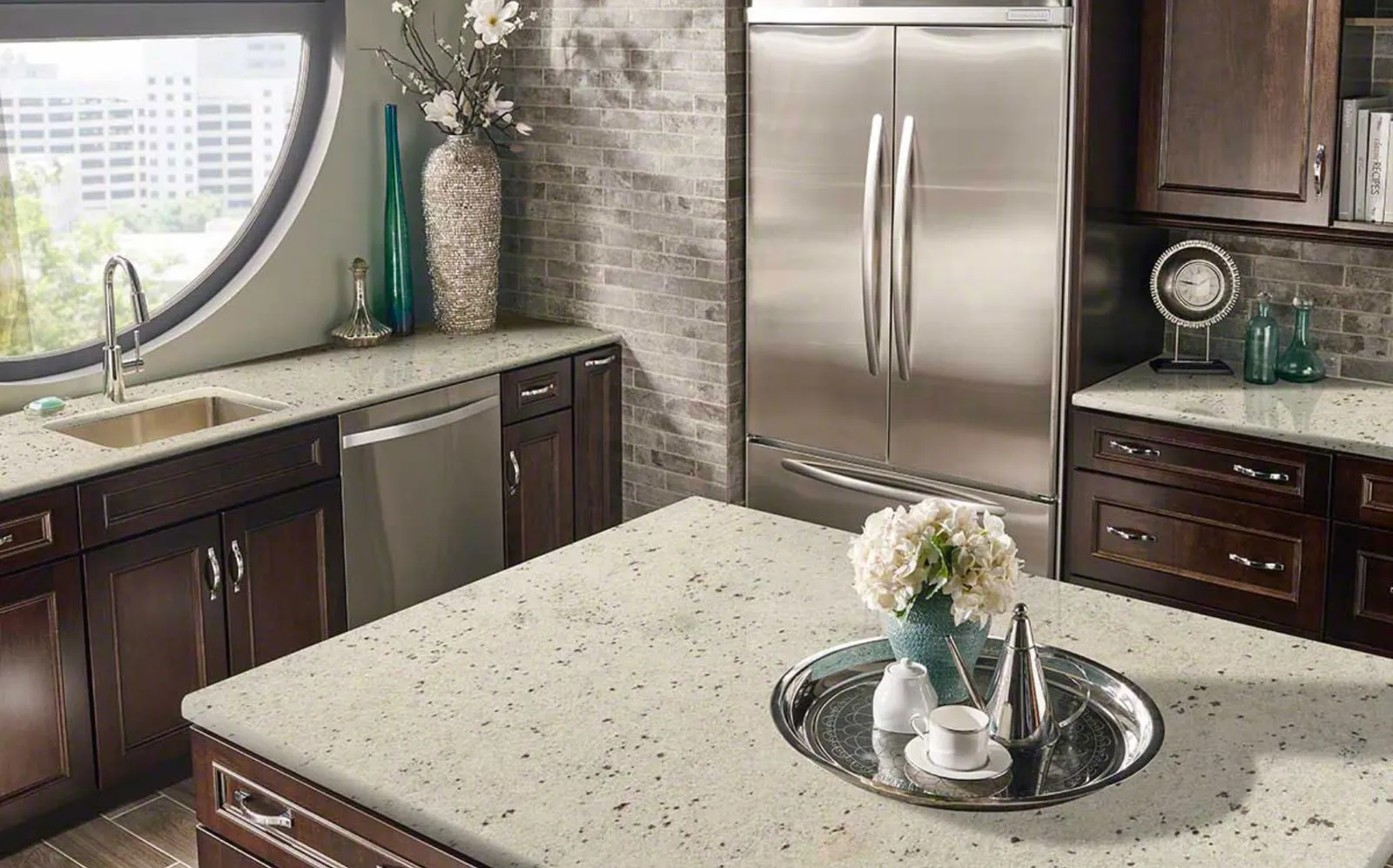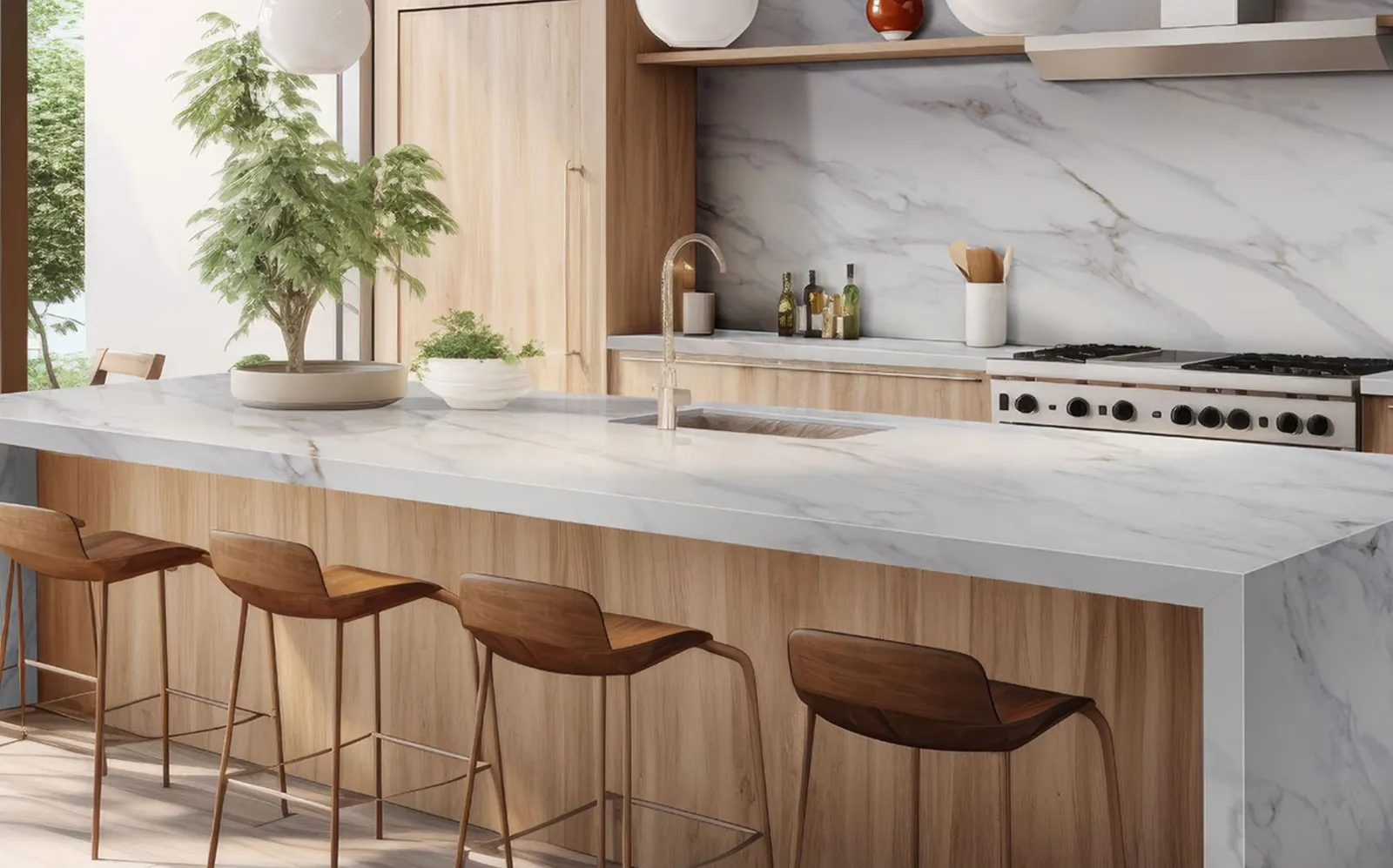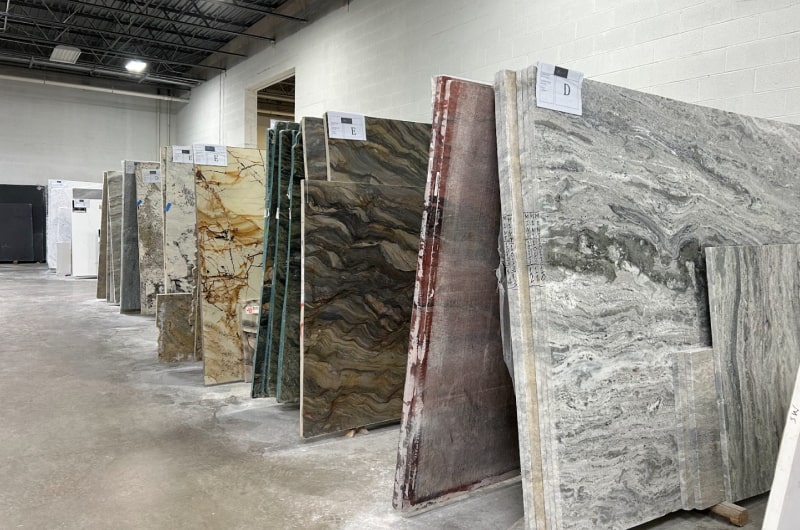
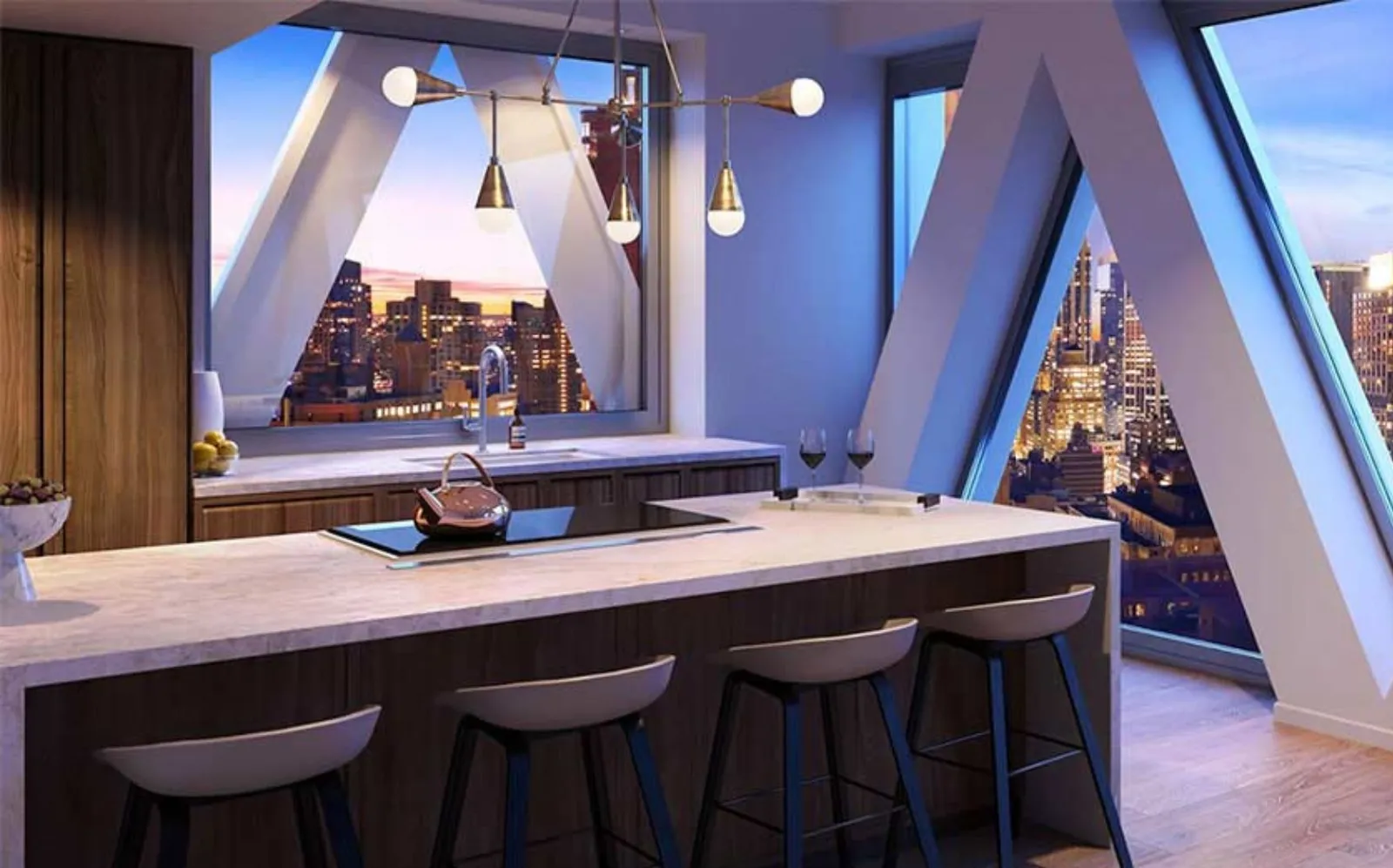
Taj Mahal Quartzite is a premium stone that is valued for its high durability, appealing texture, and variety of warm tones. Nowadays, it is used highly, regardless of whether in residential or commercial settings. Homeowners like this stone for kitchen countertops, backsplashes, bathroom vanities, and wall features due to its unique appearance and functionality.
It is also resistant to heat, scratches, and everyday activities. It shows that it is the best choice if you are looking for a reliable stone. This information may not be enough for you to make a decision, right? Keep reading this article to know Taj Mahal Quartzite comprehensively.
What is Taj Mahal Quartzite?
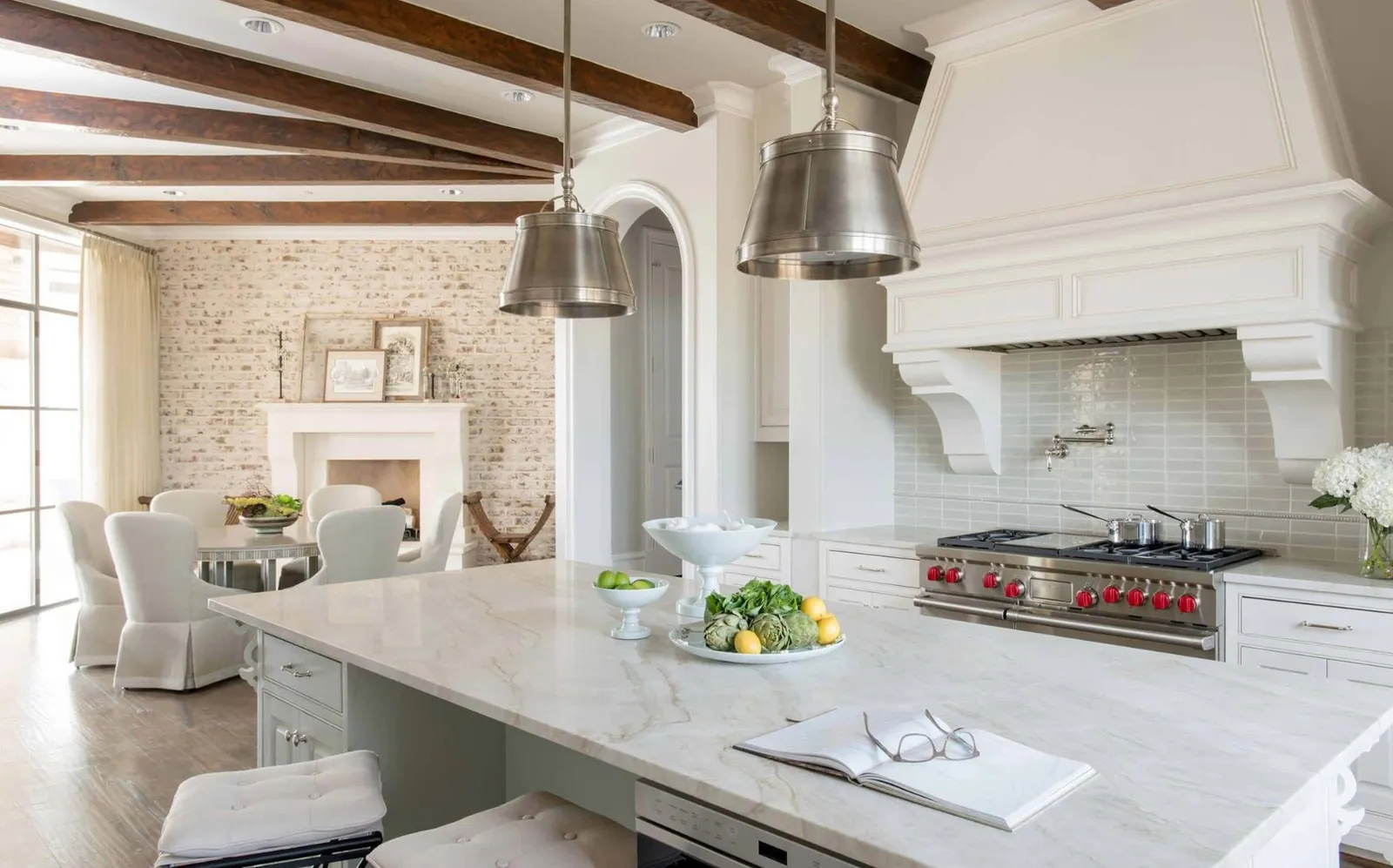
Taj Mahal Quartzite is one of the most commonly used natural stones. It formed under the earth in extreme heat and pressure. It gained popularity because of its bright, elegant appearance and strong durability. Its features creamy white background with beautiful soft gold and beige veining flowing. Many people get confused between this stone and marble because it mimics a marble-like texture.
However, it is durable, stronger, and harder than marble. This natural stone is resistant to heat, scratches, and stains, making it the ideal choice for high-traffic kitchens. Beyond just that, it offers a variety of earthy, warm tones, including soft white, beige, taupe, and gold. Due to such qualities, it can be used for islands, countertops, vanities, and backsplashes in any kind of kitchen design.
Origin and Formation of Taj Mahal Quartzite
It originates from Brazilian mines. Mainly, from the states of Espírito Santo and Minas Gerais. It started forming back millions of years ago as a simple sandstone. With the passage of time, tectonic forces drive it underground, where intense heat and pressure convert it into rock. That we call Quartzite. This formation happened through a process of metamorphism.
Iron oxides, feldspar, and other trace minerals are usually present within the sandstone. Over time, these components settle within the stone, and metamorphism occurs. That is exactly what gives it a distinct color and texture. This can be a warm, golden, beige, and creamy white tone with attractive, flowing veins. Interestingly, each vein highlights the mineral movement that may have been frozen millions of years ago. This formation explains why many homeowners often wonder what color is Taj Mahal Quartzite, as it is shaped by minerals and pressure.
Taj Mahal Quartzite Features
For choosing a stone, learning its features is important. It becomes easy to make a smart decision by going through the features of this stone:
Color and Tone
You can find the base colors in it from soft, creamy white to warm beige and golden tones. These hues allow it to pair with other surrounding materials. Many homeowners often ask what color cabinets go with Taj Mahal Quartzite because of its warm, versatile tones. It naturally complements white, beige, greige, light wood, and even darker cabinetry styles. This variety of variants expands its application from residential kitchens, bathrooms, and living areas to commercial ones.
Veining and Pattern
Different veins run in shades of gold, taupe, and soft brown on its background. These veins are not consistent and the same on every slab. Each one has unique patterns and different veining. You can hardly find two surfaces that look exactly alike.
Hardness and Strength
It is the hardest material, ranking between 7 and 7.5 on the Mohs hardness scale. The solid composition makes it denser and stronger than marble. This natural strength makes it resistant to scratches and daily activities.
Heat Resistance
The other beneficial feature is that it handles heat effectively, unlike engineered stones. However, you should still use trivets and heat pads to enjoy its natural appearance and charm for longer.
Porosity
You may know that all natural stones are porous, so this one is too. Therefore, you have to seal its surfaces periodically to prevent stains and moisture. This way, it becomes a practical choice for high-use areas like kitchen countertops and bathroom vanities.
Finish Options of Taj Mahal Quartzite
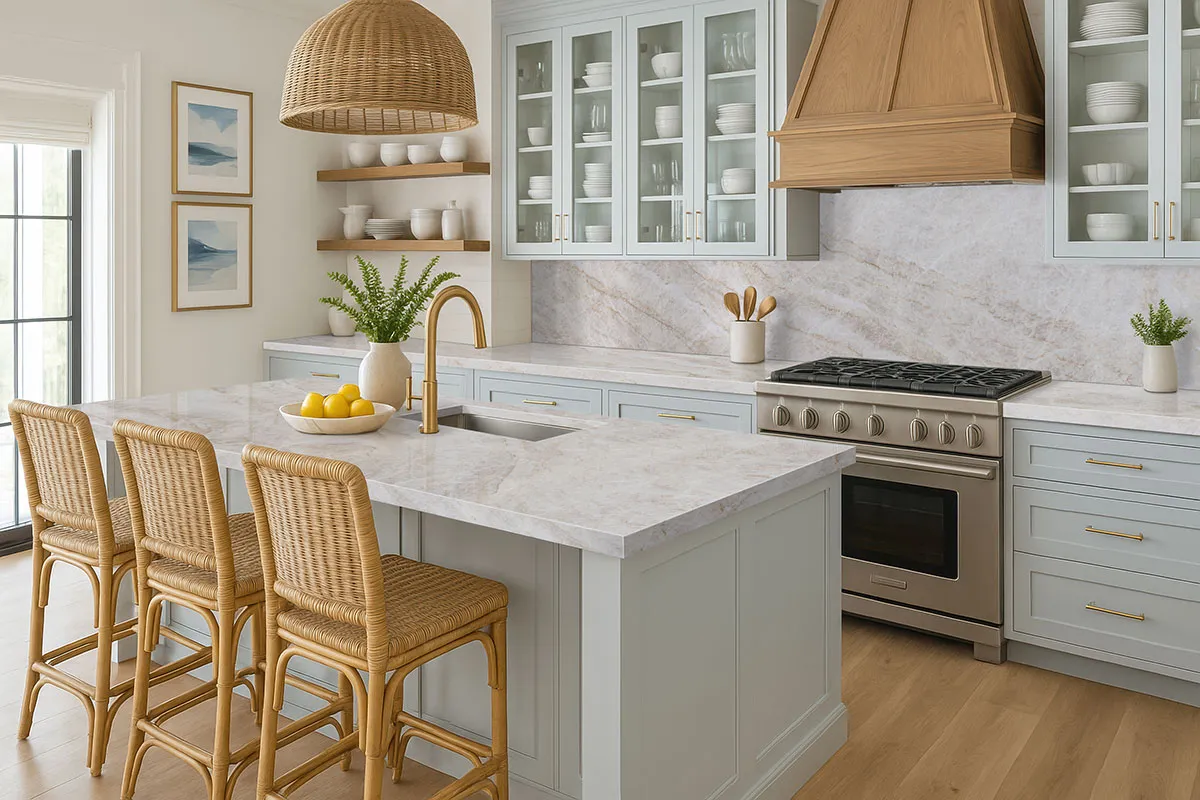
You have three main finish options for the surface:
Polished
This surface is glossy and reflective, which enhances the stone’s color and veining for a more luxurious look.
Honed
For a natural and soft appearance, choose this one. Its surface feels smooth and matte.
Leather
Its light texture is slightly glowing. That can perfectly hide everyday smudges and fingerprints.
Taj Mahal Quartzite vs Other Stones
To know where Taj Mahal Quartzite stands in the stone industry, let’s compare it with other materials.
| Feature | Taj Mahal Quartzite | Marble | Granite | Engineered Quartz |
| Type | Natural | Natural | Natural | Man-made |
| Hardness (Mohs) | 7 to 7.5 | 3 to 4 | 6 to 7 | 7 to 8 |
| Scratch Resistance | Very Good | Poor | Good | Very Good |
| Heat Resistance | Good | Moderate | Very Good | Moderate |
| Stain Resistance | Good with sealing | Low | Good | Very Good |
| Porosity | Slightly Porous | Highly Porous | Low Porosity | Non Porous |
| Maintenance | Periodic Sealing | High Maintenance | Low Maintenance | Very Low Maintenance |
| Appearance | Warm, Creamy, Elegant | Cool, Luxurious | Bold, Granular | Uniform, Consistent |
| Uniqueness | Every slab is unique | Every slab is unique | Every slab is unique | Slabs are not unique |
| Cost | Moderate to High | Moderate to High | Moderate | Moderate |
| Best Used For | Countertops, Floors, Walls | Decorative, low-use areas | Countertops, Outdoors | Countertops, Bathrooms |
What are the Common Applications of Taj Mahal Quartzite?
You can see this premium stone in residential and commercial settings. It is used for different elements due to its appealing appearance and strong bonding. Here are the common ways it can be used:
- Kitchen countertops: One of the main places it is used for is countertops. It plays well near cooking areas as it can bear heat. In chopping and cutting areas, the countertops prevent scratches and withstand daily activities.
- Kitchen island: Using it for kitchen islands means creating a focal point that looks modern, attractive, and attention-grabbing.
- Backsplashes: This is usually used for backsplashes to balance the color pairing with other elements. When used with similar neutral colors, it creates a natural contrast. When not, it complements the contemporary design.
- Bathroom vanities: For a relaxed, calm aesthetic, it is used for bathroom vanities. It looks sophisticated, no matter what the design is.
- Feature walls: The first thought that comes to homeowners’ minds when they want to make elegant accent walls is the Taj Mahal. Whether thinking of living room walls or some other, it does not overwhelm the overall visuals.
- Flooring: Its strength and hardness make it suitable even for floors with high-traffic areas.
- Fireplace surrounds: Some fireplaces need strong, heat-resistant components. That’s where this natural stone becomes an ideal choice for both appearance and functionality.
Taj Mahal Quartzite Cost and Availability
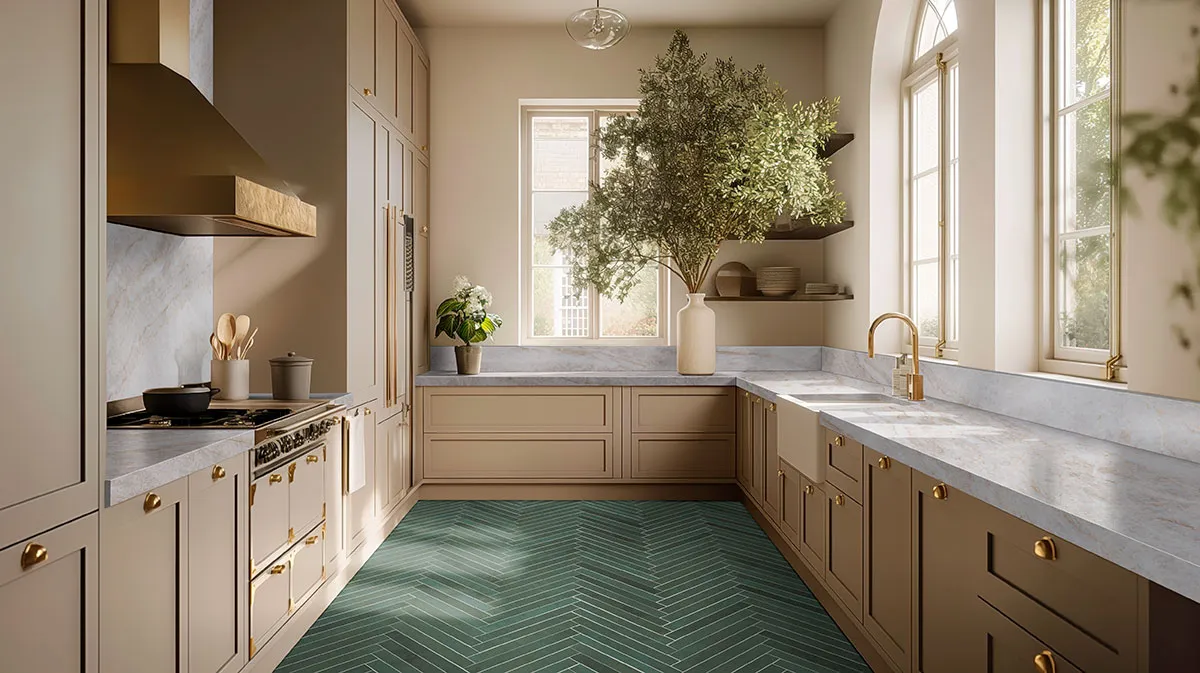
Many homeowners often ask is Taj Mahal Quartzite expensive when comparing it with other natural stones. It is a premium stone that costs around $100 to $250 per square foot with installation. Without installation, its raw material can range from $60 to $100 per square foot. This natural material is considered more expensive than other countertop stones.
Even then, the homeowners turn to it, considering it the best choice for long-term investment. Since it is quarried from Brazil, the availability depends on the supplier, region, and market demand. Some of Taj Mahal Quartzite countertops can be hard to find because of their greater popularity.
Pros and Cons of Taj Mahal Quartzite
Should you use Taj Mahal Quartzite? You can make a thoughtful decision by knowing its advantages and limitations. So, let’s go through them below:
| Pros | Cons |
| Its warm, creamy tones and amazing veins give a natural, classical elegance | Veining and tone can vary quite noticeably from slab to slab |
| Harder than marble, it handles the daily life tasks without much trouble | Can chip or crack under heavy impact if not handled carefully during installation |
| Resists scratches well, making it a reliable choice for busy surfaces like kitchen countertops | Prolonged direct heat exposure can still damage the surface over time |
| Tolerates heat better than most engineered stones | Heavier than some other stones |
| Every surface is genuinely unique and inconsistent | Matching multiple slabs for a larger project can be a little tricky |
| Delivers a marble-like luxury without always carrying a marble-like price | Premium-quality slabs can be difficult to source locally |
| Works beautifully for worktops, floors, walls, and bathroom vanities | Transporting large slabs increases the risk of damage and adds cost |
| complements both modern and traditional designs | The cost of premium slabs is usually higher in markets |
| Less-prone surfaces lower the absorption of liquids compared to many marbles | |
| Subtle, warm palette pairs well with wood and warm-metal finishes |
Taj Mahal Quartzite FAQs
Here are the answers to the most common questions you may still be curious about:
What color is Taj Mahal Quartzite?
It has a creamy, light, warm-toned color. You can get this in different neutral colors such as creamy white, warm beige, light ivory, soft taupe, and subtle gold.
Can this material be used outdoors?
Yes, it can be used in some outdoor areas, like an open kitchen design. However, you have to care for it more in such spaces to enjoy it for longer.
Why is it so popular in interior design?
It is widely used for interior designing because it can create a calm, soft, and modern look. Whether this material is used in contrast or matches other elements, it allows you to create the visual you like.
Do Taj Mahal Quartzite countertops change color over time?
No, they do not change color with time. However, if you do not maintain them properly or use constantly harsh chemicals for cleaning, their appearance may be affected.
Is this stone suitable for commercial spaces?
Yes, it is commonly seen in commercial places, including hotels, offices, and showrooms. It is because of its long-lasting appearance, durability, and practicality.
What makes Taj Mahal Quartzite countertops different from other light-colored stones?
Their warm, subtle patterns make them different from other neutral stones. Many homeowners often get confused between marble and Taj Mahal Quartzite because of their similar appearance. But getting sufficient information about them helps you determine them at a glance.
Conclusion
This article has conveyed all essential details for Taj Mahal Quartzite. Its features are most likely other natural stones, but not durability and heat resistance. If you like a marble-like appearance, neutral, earthy undertones, this stone can work best for you. You can use it for countertops to handle everyday tasks effectively. Islands for grabbing visitors’ attention. Walls and backsplashes to balance design. It may cost more, but it is a good option if you want to invest once for decades. Homeowners can explore premium Taj Mahal Quartzite options through Royal Marble and Granite NJ for quality results.