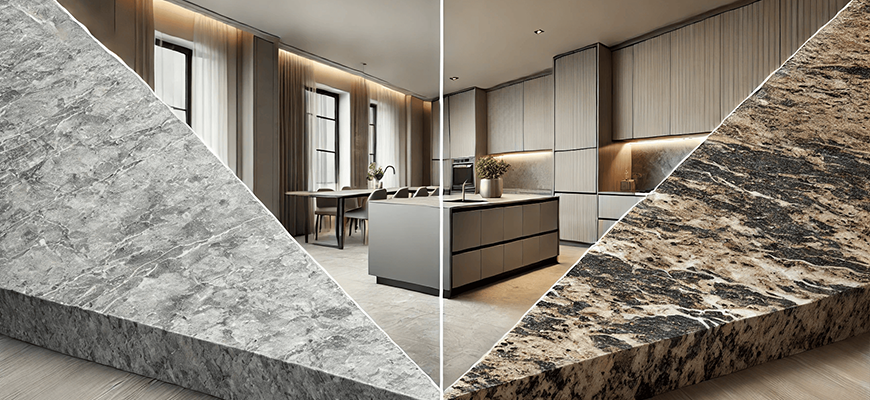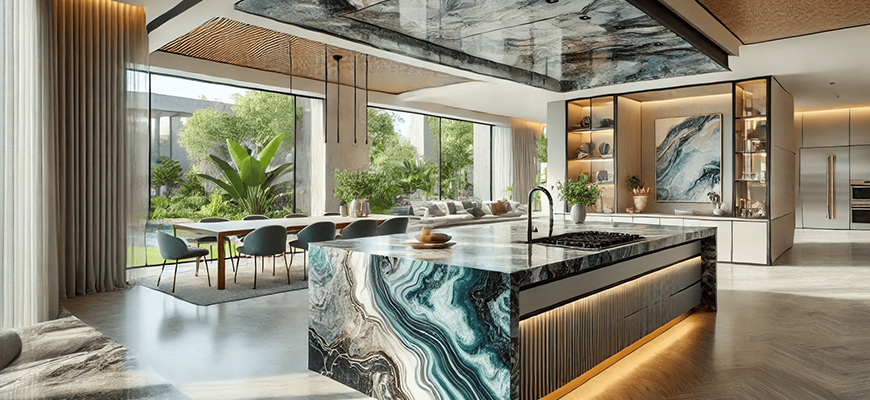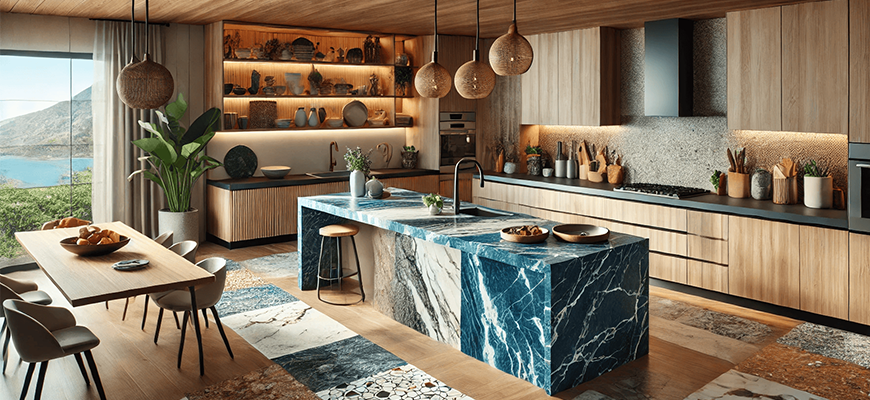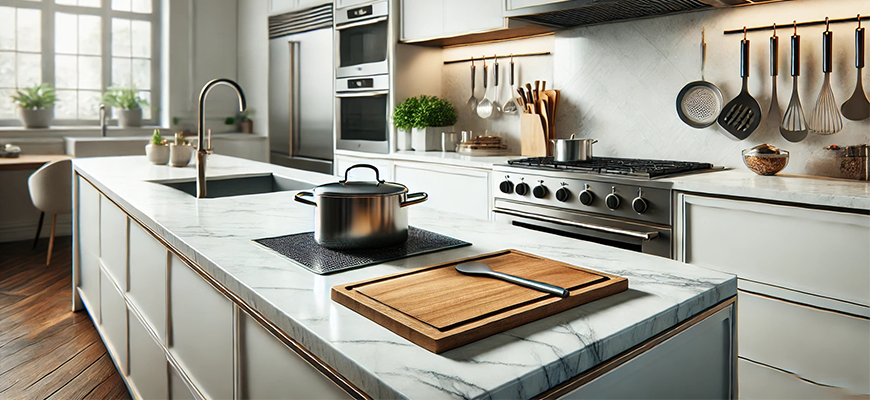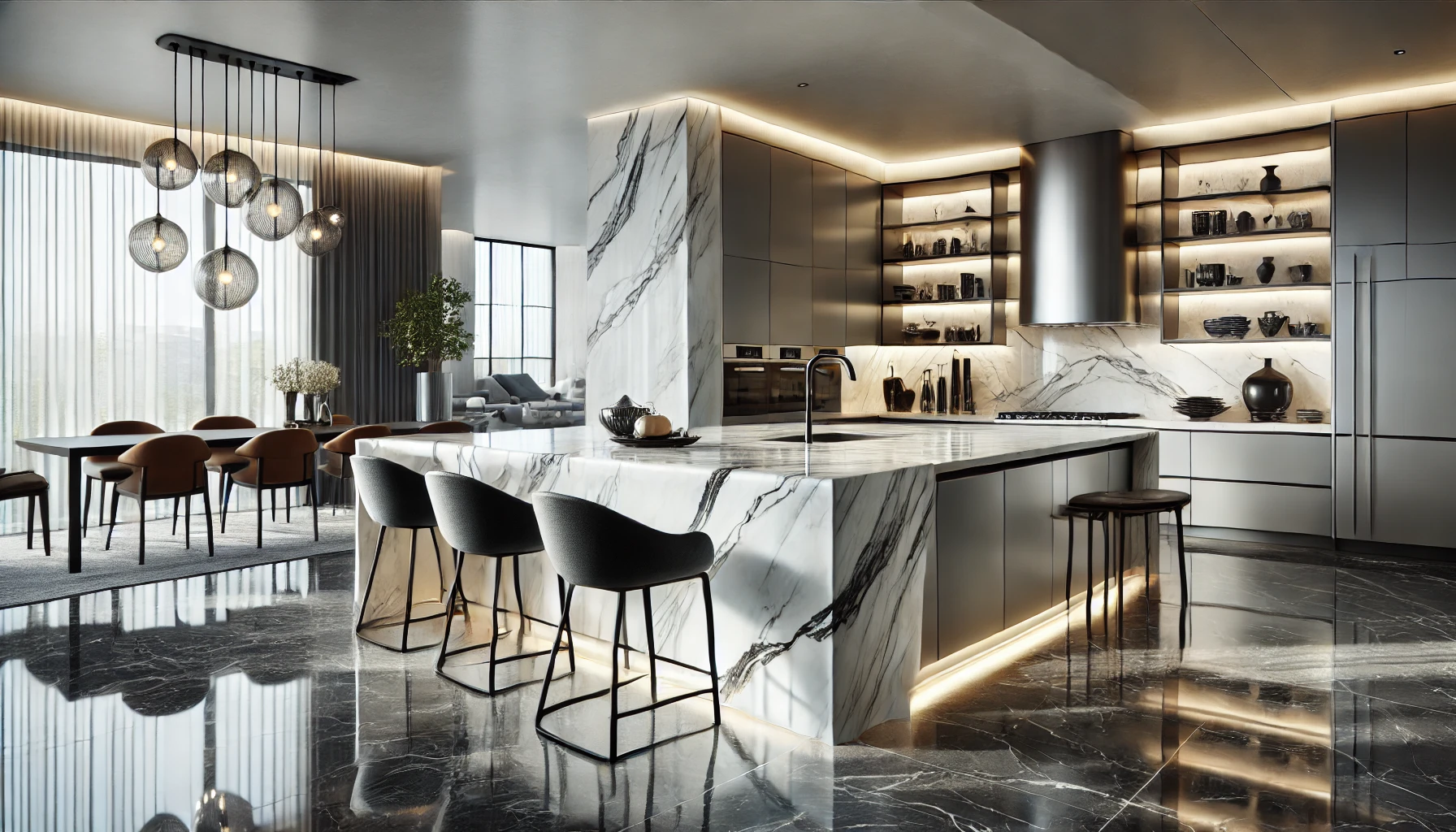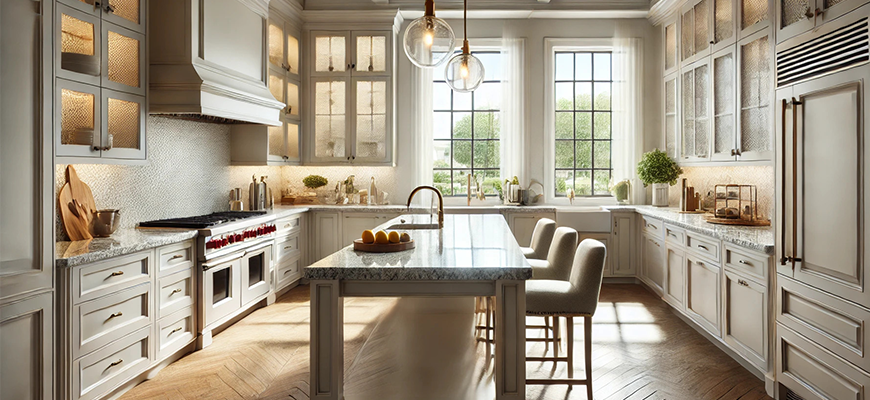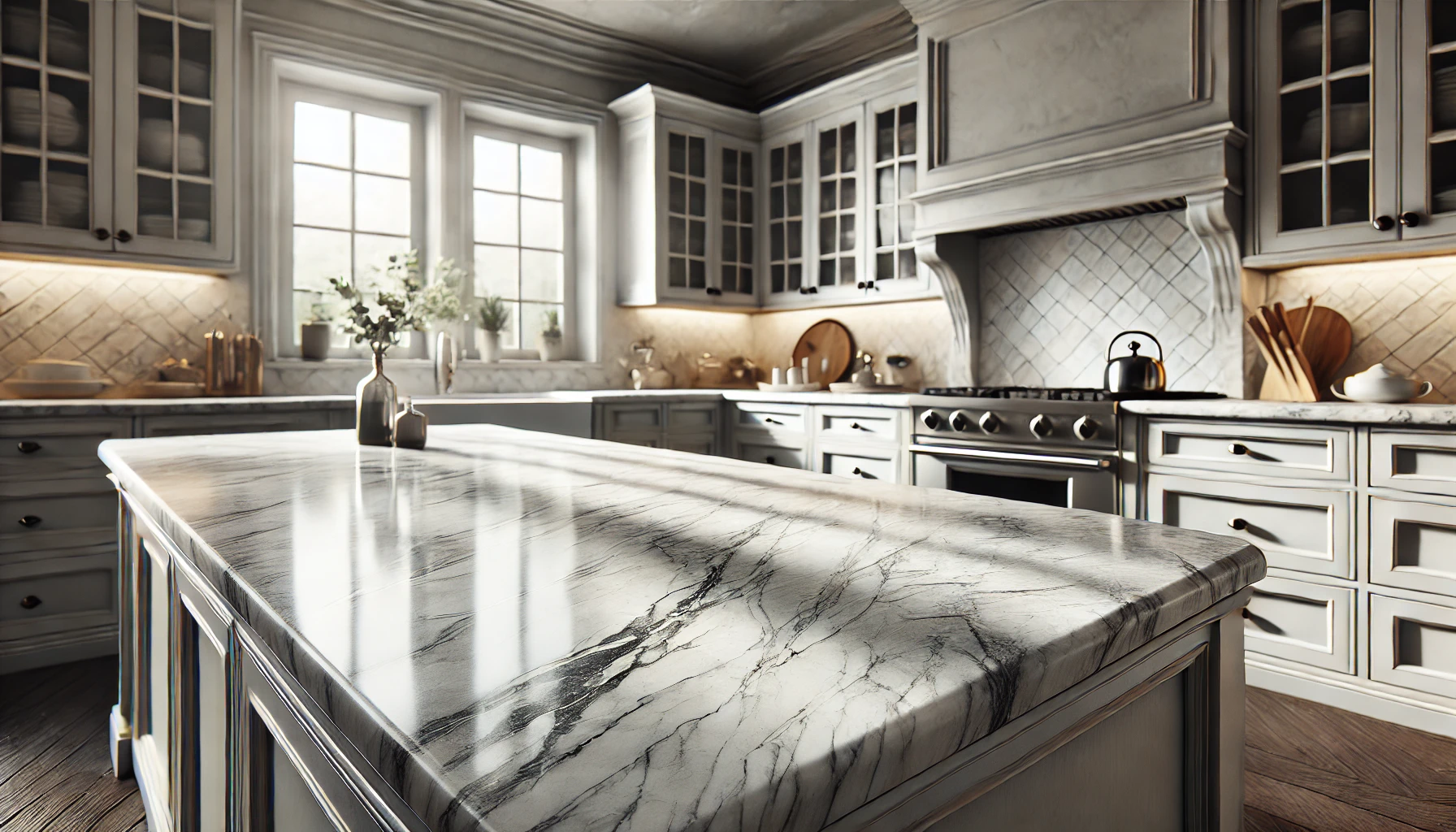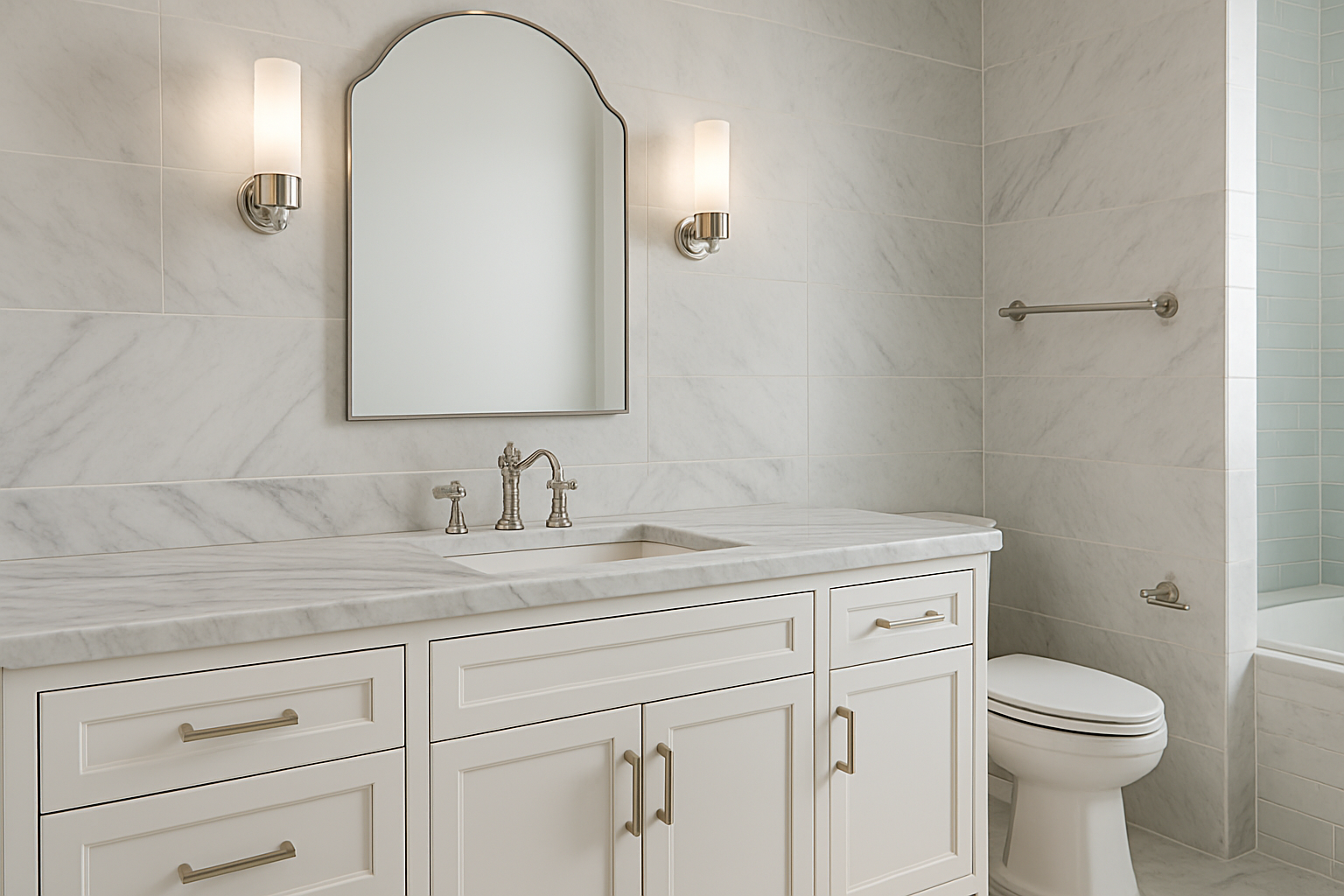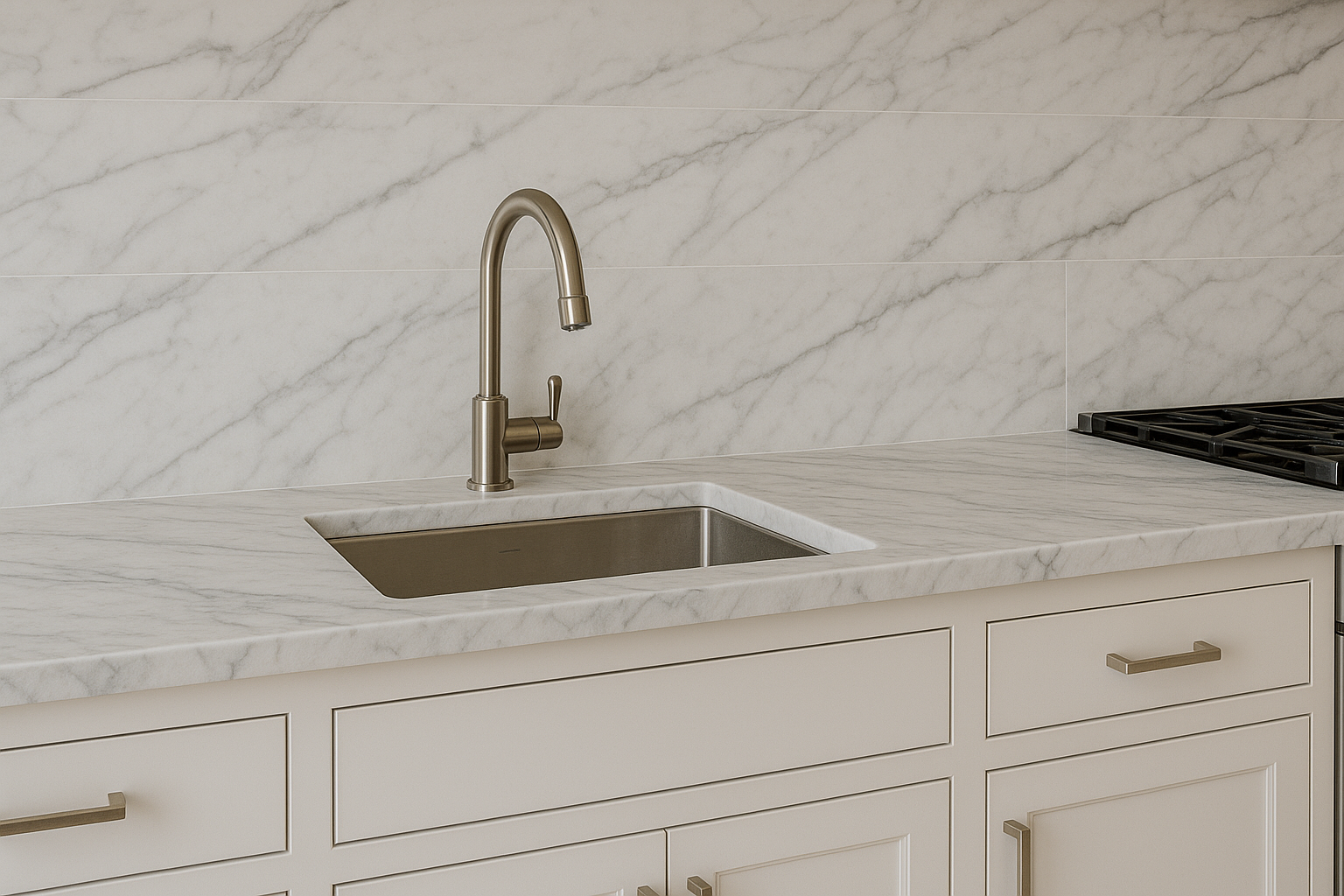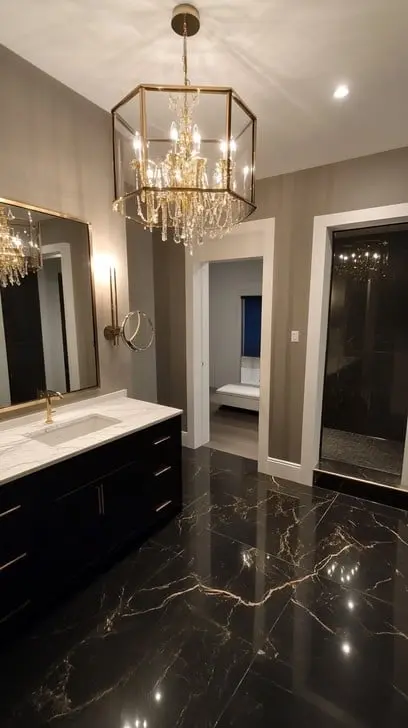
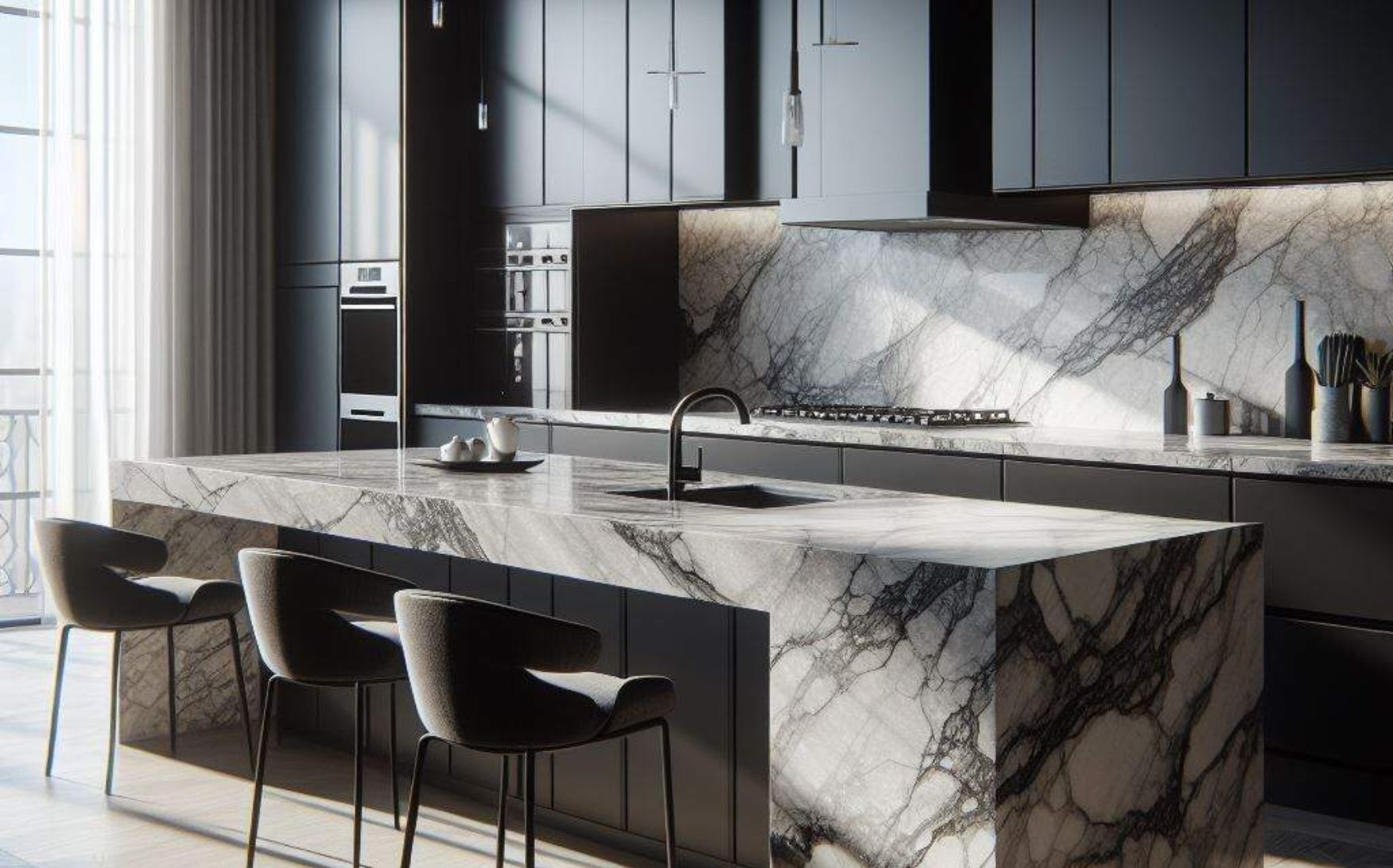
When homeowners visit a showroom and see white stones, they start considering quartzite an artificial material. This is because sometimes it shines like quartz and looks slightly like it. Without much knowledge, such distinctions are hard. Some mistakenly take quartzite as marble because a few varieties mimic its appearance. That’s where experience and knowledge help. Whether you are just exploring more about quartzite or looking for a functional, visually appealing material, this guide is for you. We will cover everything about this stone that quickly gained popularity in the industry.
What Exactly Is Quartzite?
Quartzite is a metamorphic rock. Geologically, it starts as sandstone. But it completely changes after spending millions of years under Earth’s surface due to extreme heat and pressure. Its process begins when layers of sandstone get buried under other rocks. Over years, the natural pressure from the Earth’s heat causes the individual quartz grains to attach strongly. This process, called metamorphism, takes millions of years to turn the soft sandstone into entirely new stone.
As a result, we get one dense, durable, and beautiful stone. It is one of the hardest stones available in the market. Its bound structure makes it stronger and resistant to everyday wear. This is why Quartzite is highly chosen for countertops, flooring, wall cladding, and other high-traffic surfaces.
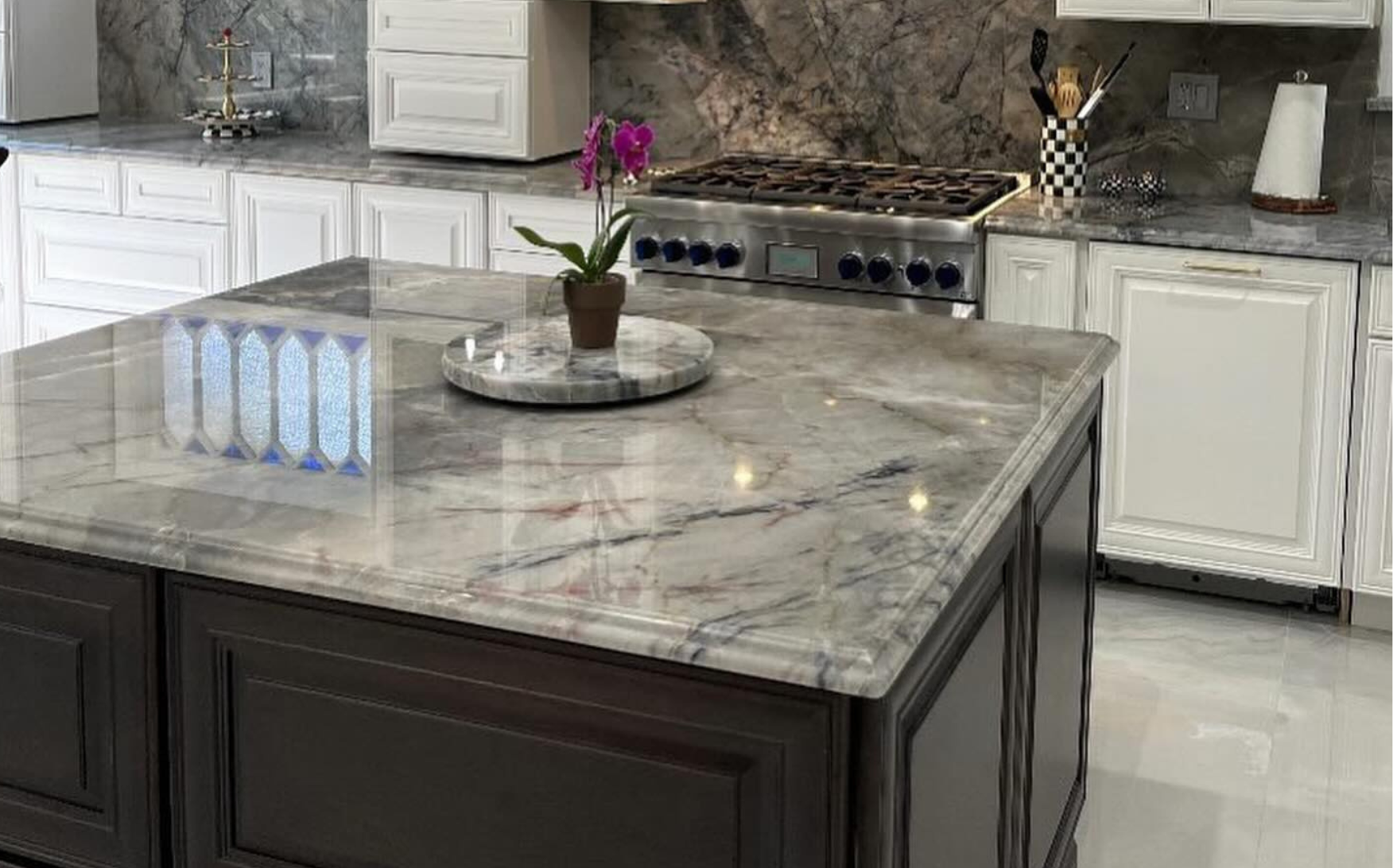
Quartzite Natural Formation Process
When the sandstone transformation starts, the quartz grains within the rock recrystallize and lock together. This way, a bonded crystal structure is formed, which eliminates the spaces that once existed between the grains.
Quartzite usually forms deep within regions where mountain-building events have reshaped the Earth’s crust. Tectonic uplift and erosion slowly move these rock formations closer to the surface, making them easier to quarry. This takes a long passage of time.
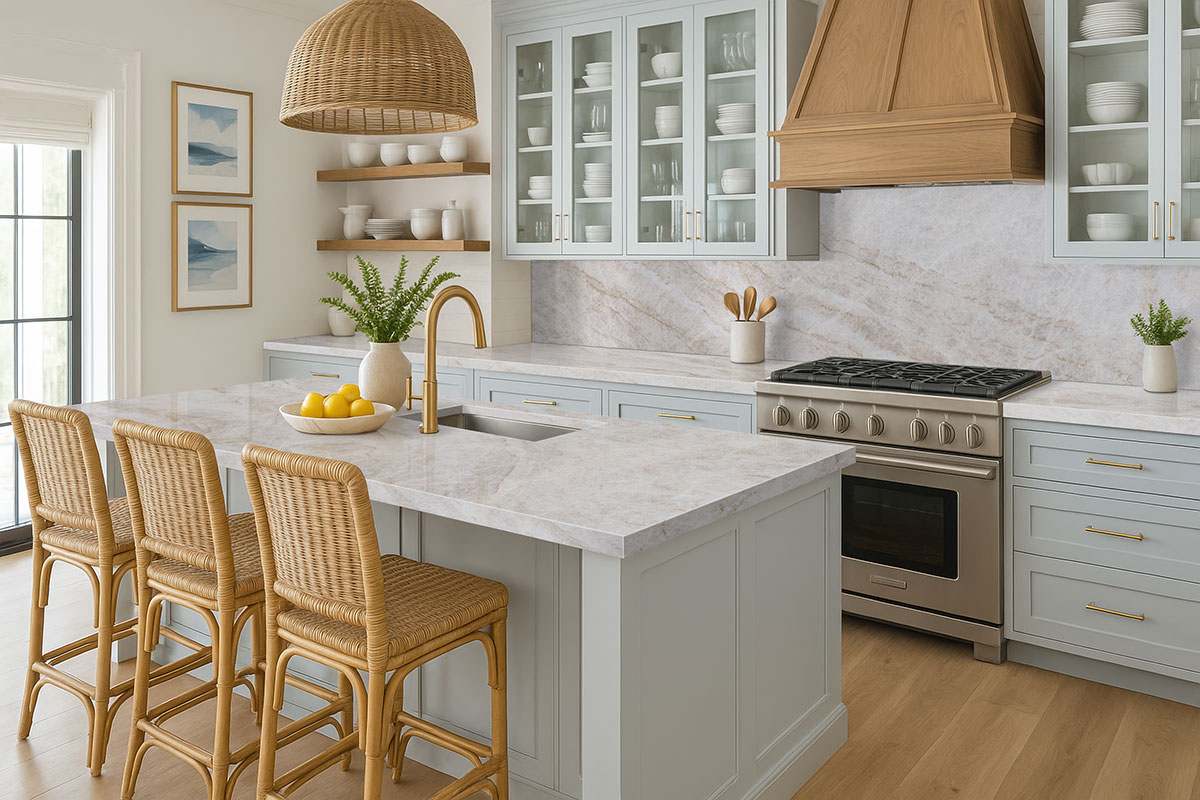
This means the quartzite is purely a natural stone, created through geological processes. No resins, pigments, or artificial formulas are used to make it. Every slab has distinctive colors, veining, and mineral patterns that cannot be duplicated. Popular varieties such as Taj Mahal Quartzite are especially valued for their soft cream tones and elegant veining. This makes them a favorite for luxury kitchen countertops.
Where Does Quartzite Come From?
Quartzite resources exist all over the world. Brazil quarries the most desirable varieties, rich in veining and texture. Brazil also produces Blue Lava Quartzite, a popular choice for blue quartzite countertops because of its bold veining and striking color. Due to their dramatic appearance, they are considered premium. You may not know that India, Norway, and the United States also have significant quartzite quarries.
Each region’s quartzite has different characteristics. The Brazilian quartzite often features bold, prominent veining. The Indian varieties have more subtle, uniform patterns. In America, places like Wisconsin or South Dakota generally show softer, more muted colors.
The mineral impurities that were present in the original sandstone cause the color variations. White or light gray is considered pure quartzite. If the mineral is Iron oxide, it can create pink, red, or orange tones. Yellow, blue, green, or even purple hues are available, depending on the minerals.
Why Do Homowners Confuse Quartzite With Quartz?
Their names are similar, and sometimes they even look alike. This is where homeowners get confused. Quartz is an engineered stone, while quartzite is a natural material. Let’s understand the difference:
Quartzite takes millions of years to form naturally. Miners extract it from quarries, cut it into slabs, and polish it. No human components are added, and engineers manufacture nothing.
Quartz countertops, also called engineered quartz, are crafted by humans. In composition, manufacturers use crushed quartz crystals around 90% to 95% and mix them with resins and pigments. Pigments give it color. The slabs are formed under high pressure. These surfaces may look like natural stone, but they are a manufactured product.
Now, the interesting fact is that both are excellent choices in terms of durability. Quartz allows you to enjoy the cohesive, consistent look at a budget-friendly price. However, it does not resist heat as effectively as quartzite.
How to Tell If Your Stone Is Really Quartzite?
Some of your experience may not be good with quartzite. Did you get it at a low price? The problem is with suppliers. They mislabel softer stones like marble or dolomite as quartzite because quartzite requires a higher budget. This happens more often than it should. To identify whether the stone is quartzite or not, you can do a simple test at home.
- Quartzite does not react with acid. So, you can put a drop of lemon juice or vinegar on an inconspicuous spot. And then see if it fizzes or etches the surface. If yes, you’ve got marble or dolomite. The acid does not react with real quartzite and remains harmless.
- Another way is to check the surface by scratching. A knife can easily scratch marble, but quartzite is hard. A knife can’t make a mark on it.
The Properties That Make Quartzite Special
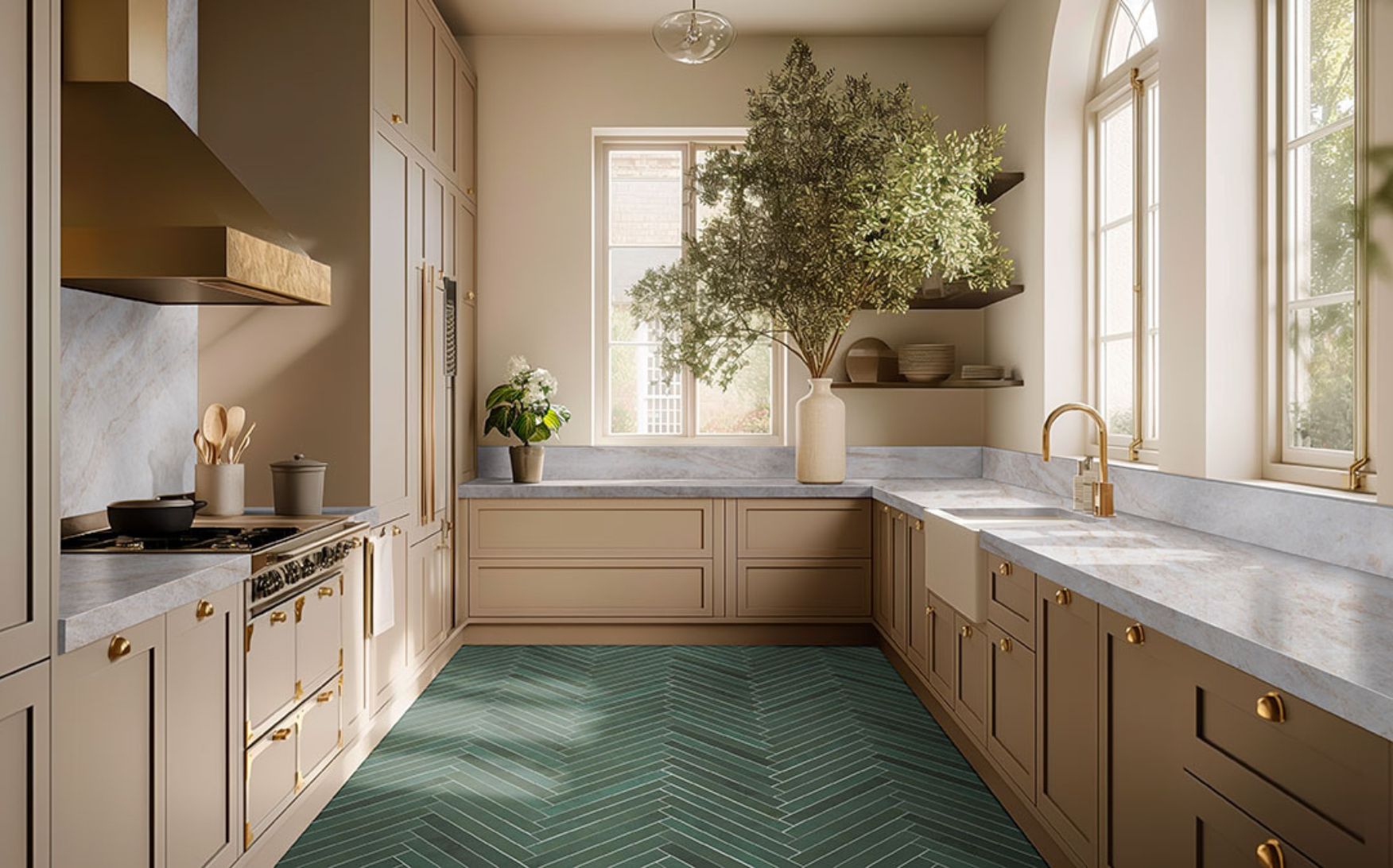
Although quartzite surfaces are apparently attractive, homeowners mostly prefer practicality when choosing for home. By keeping this in mind, below are the top-notch properties and advantages of quartzite:
Incredible Strength
According to our study, quartzite generally falls about 7 to 8 on the Mohs hardness scale as grains stick together. Granite ranks 6 to 7 because it is made of softer minerals like feldspar. This is why quartzite has now become the hardest stone. Its strength makes it excellent at resisting scratches, chips, and everyday wear.
Heat-Resistant
Since trivets are used for care, quartzite surfaces impressively resist heat. Even if you place a hot pan directly on them, they remain undamaged. Homeowners can prepare food without worrying that cooking temperature will fade it.
Withstand UV Exposure
Quartzite material can be used outdoors due to its UV resistance. It does not turn yellowish or change color in sunlight exposure. Don’t stress if your kitchen is outdoors or you’re looking for stone for areas with lots of natural light. It is good for multiple preferences.
Is Quartzite Better Than Other Natural Stones?
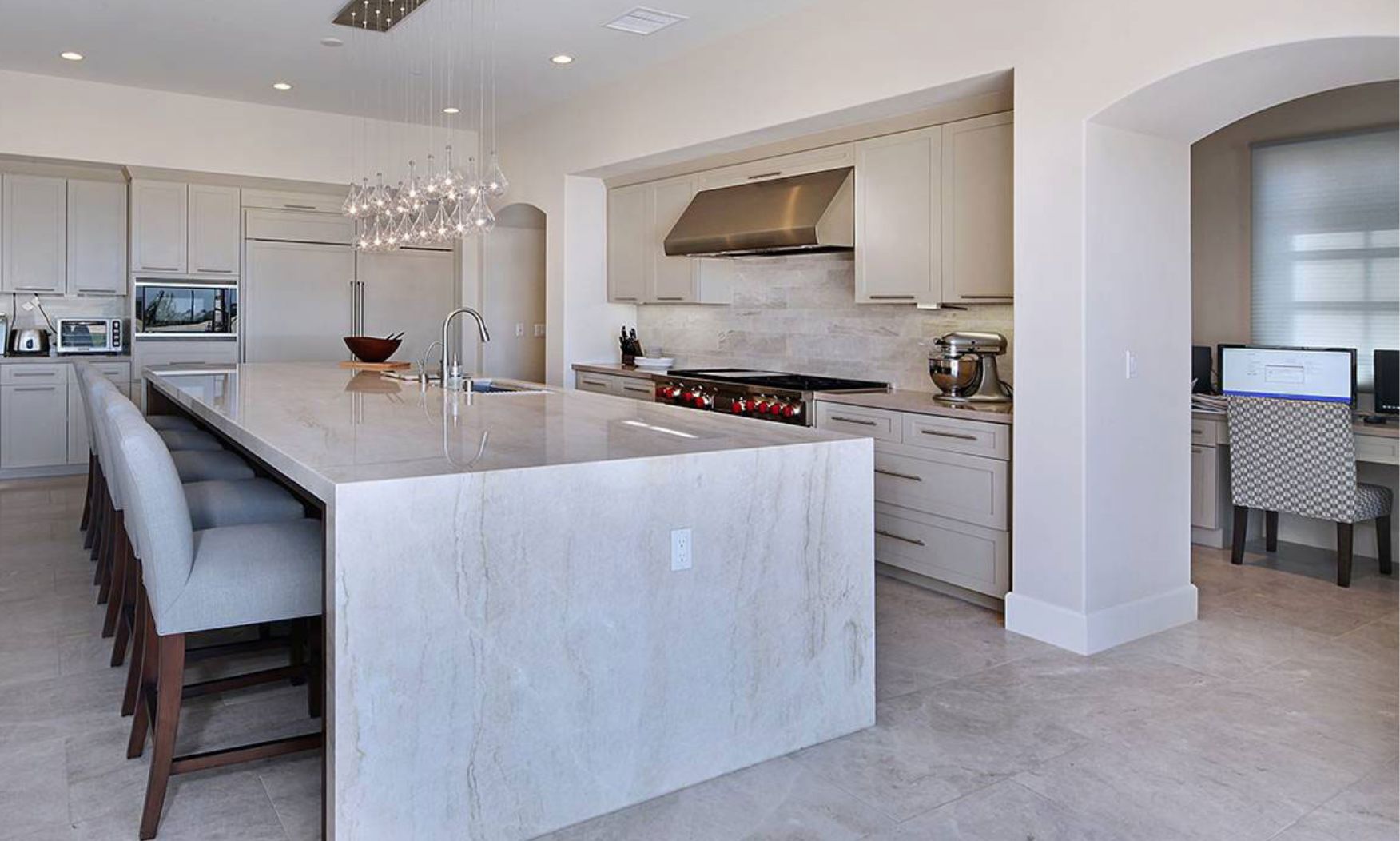
The “better” stone depends on your needs, desired kitchen look, and budget. We are comparing quartzite with other natural stones just to see how far it can be beneficial for you. And which preference the other stone is the best fit for.
| Feature | Quartzite | Granite | Marble | Soapstone | Limestone |
| Durability | Extremely high | Very high | Moderate | Low to moderate | Low |
| Hardness on Mohs Scale | 7 | 6 to 7 | 3 to 4 | 1 to 5 | 3 to 4 |
| Scratch Resistance | Excellent | Very good | Poor | Poor | Poor |
| Heat Resistance | Excellent | Excellent | Good | Excellent | Fair |
| Stain Resistance | Very good on sealing | Very good on sealing | Poor | Good (naturally non-porous) | Poor |
| Acid/Etching Resistance | Excellent | Very good | Very poor | Fair | Very poor |
| Maintenance | Seal 1 to 2 times per year | Seal 1 to 2 times per year | Seal frequently, careful cleaning | Oil treatment every few months | Seal frequently |
| Best For | High traffic kitchens and outdoor areas | Kitchen countertop, almost versatile in use | Bathrooms and low traffic areas | Rustic kitchens and labs | Bathrooms and decorative use |
| Appearance | Natural veining, marble-like | Speckled, granular | Elegant veining | Smooth, matte finish | Soft, subtle patterns |
| Color Options | White, gray, pink, gold, blue, green | Wide variety | White, black, gray, green | Gray, black, green | Beige, gray, cream |
| Price range includes installation | $60 to $200+ per sq ft | $40 to $100 per sq ft | $50 to $150 per sq ft | $70 to $120 per sq ft | $35 to $75 per sq ft |
| Lifespan | Lifetime (with care) | Lifetime (with care) | 25+ years (needs more care) | Lifetime (develops patina) | 15 to 25 years |
| Resale Value Impact | High | High | High | Moderate | Moderate |
Common Myths About Quartzite
Here are the rumors you might hear about Quartzite and the facts behind them:
Myth 1: Quartz and Quartzite are the Same
Earlier, we discussed that both are different in manufacturing, functionality, and appearance. The confusion usually comes from their relevant names, but the fact is that both contain the quartz mineral.
Myth 2: Quartzite is Maintenance-Free
No, quartzite is not a completely zero-maintenance stone. Like all natural stones, it also needs periodic sealing, but not very often. Good varieties even go 2 to 3 years, or some need once a year. Regular cleaning is also part of maintenance, but it takes much less than marble. Many homeowners ask, Does quartzite stain? Proper sealing helps prevent stains from everyday spills.
Myth 3: All Quartzite Looks the Same
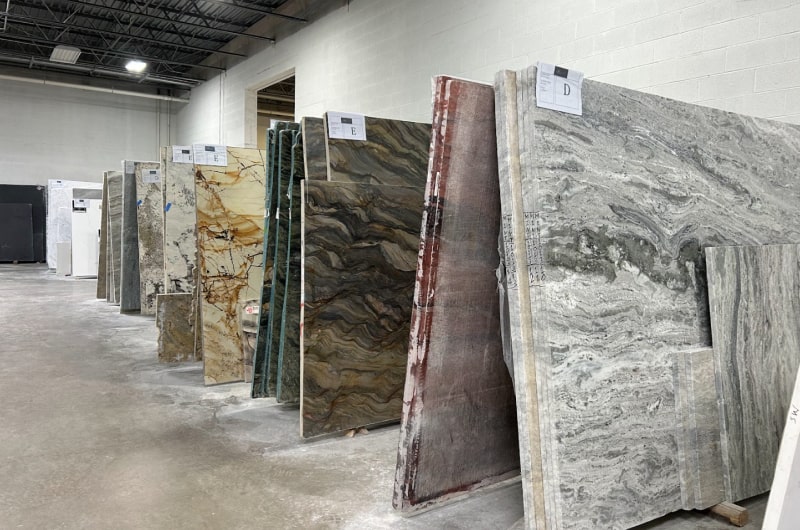
Likely impossible. Quartzite slabs do not look closely similar because it is a natural product. All slabs are different from others in color, pattern, and texture. Even the pure whites are not the same due to inconsistent veining. That range from charcoal grey, soft gold, bronze, taupe, to deep blue-green.
Myth 4: Quartzite is Indestructible
Quartzite is hard to harm and damage but not invincible. If heavy objects fall on edges, they may chip. Exposure to extremely acidic material on the surface that is not sealed may leave a slight etch. This is why adopting care habits is important.
FAQs on Quartzite
Here are the answers to a few essential questions some homeowners care about:
Can quartzite increase a home’s resale value?
Yes, quartzite significantly maximizes the home resale value and ROI by offering luxury appeal, high durability, and longevity. Well-installed kitchen countertops and bathroom vanities automatically make a property appealing to potential buyers.
Does Quartzite have a glossy finish by default?
No, quartzite is not a glossy stone by nature. However, it is available in polished, honed, and leathered finishes. The polished finish gives surfaces a shiny texture, and honed gives them a matte appearance. Choose one that can complement your kitchen look and pair well with surrounding items.
Can quartzite be used for furniture and decorative pieces?
Yes, quartzite is used for furniture and decorative items because of its exceptional durability. For example, dining tables, coffee tables, fireplace surrounds, shelving, and feature walls. The appearance works best for accent pieces throughout the home, and it is strong for performance.
Why do two quartzite slabs from the same quarry look different?
Two slabs from the same quarry can differ because the mineral distribution varies from one block to another. This is why they can vary in colour, veining, and pattern, giving each slab a unique appearance.
Wrap Up: Making the Right Choice for Your Home
Quartzite is worth picking if you want a natural appearance or a marble-like look with exceptional performance. It’s better than granite in hardness and durability. But your preference comes first, so we won’t hype. Many of you may have made up your mind to use quartzite countertops.
You should actually consider important factors when finalizing this decision. These are your taste, your assurance towards quartzite, budget, and pairing. We recommend choosing a reputable countertop installer like Royal Marble and Granite. Clear your doubts, test quartzite, and remember that real quartzite costs more, which is worth it.