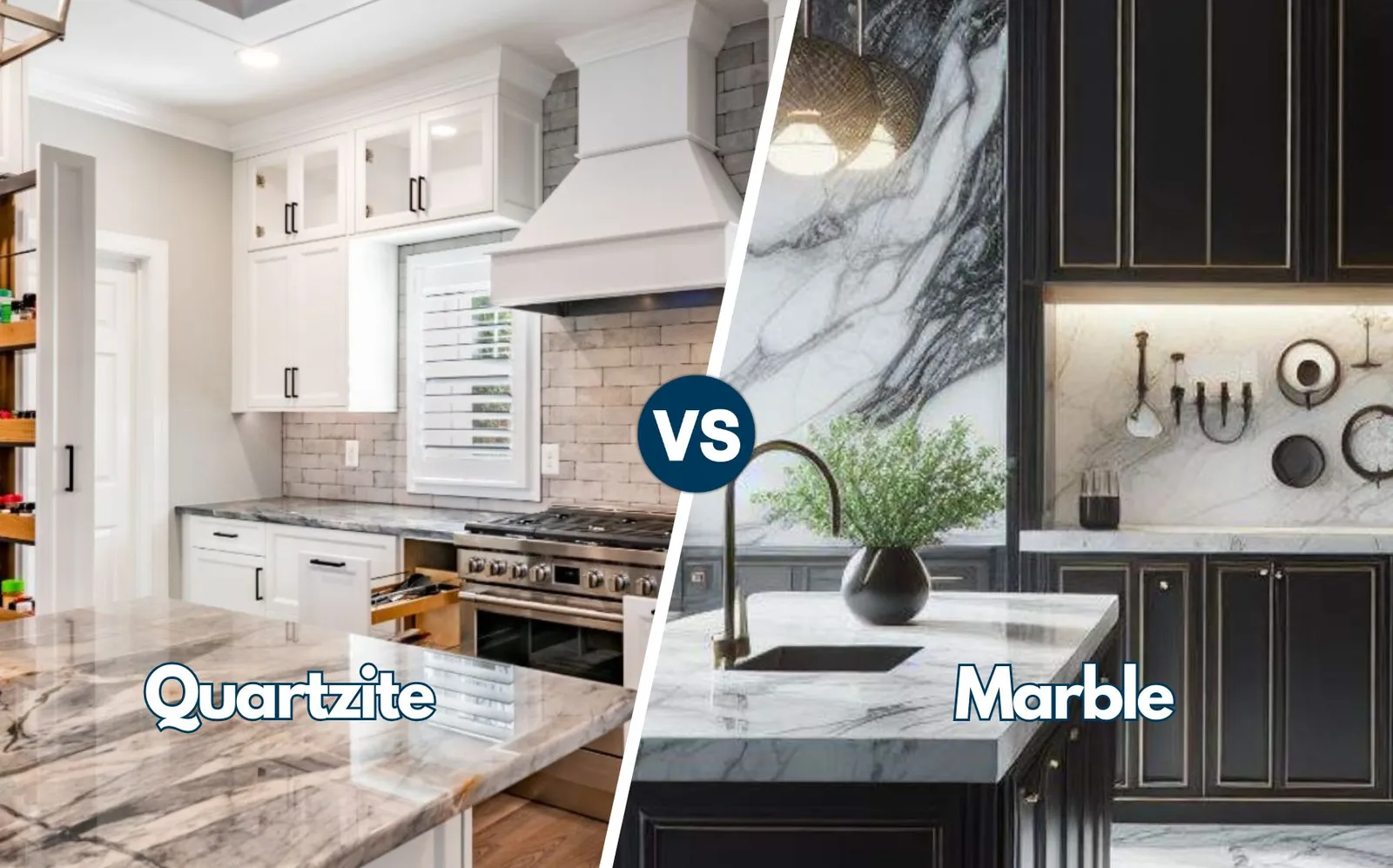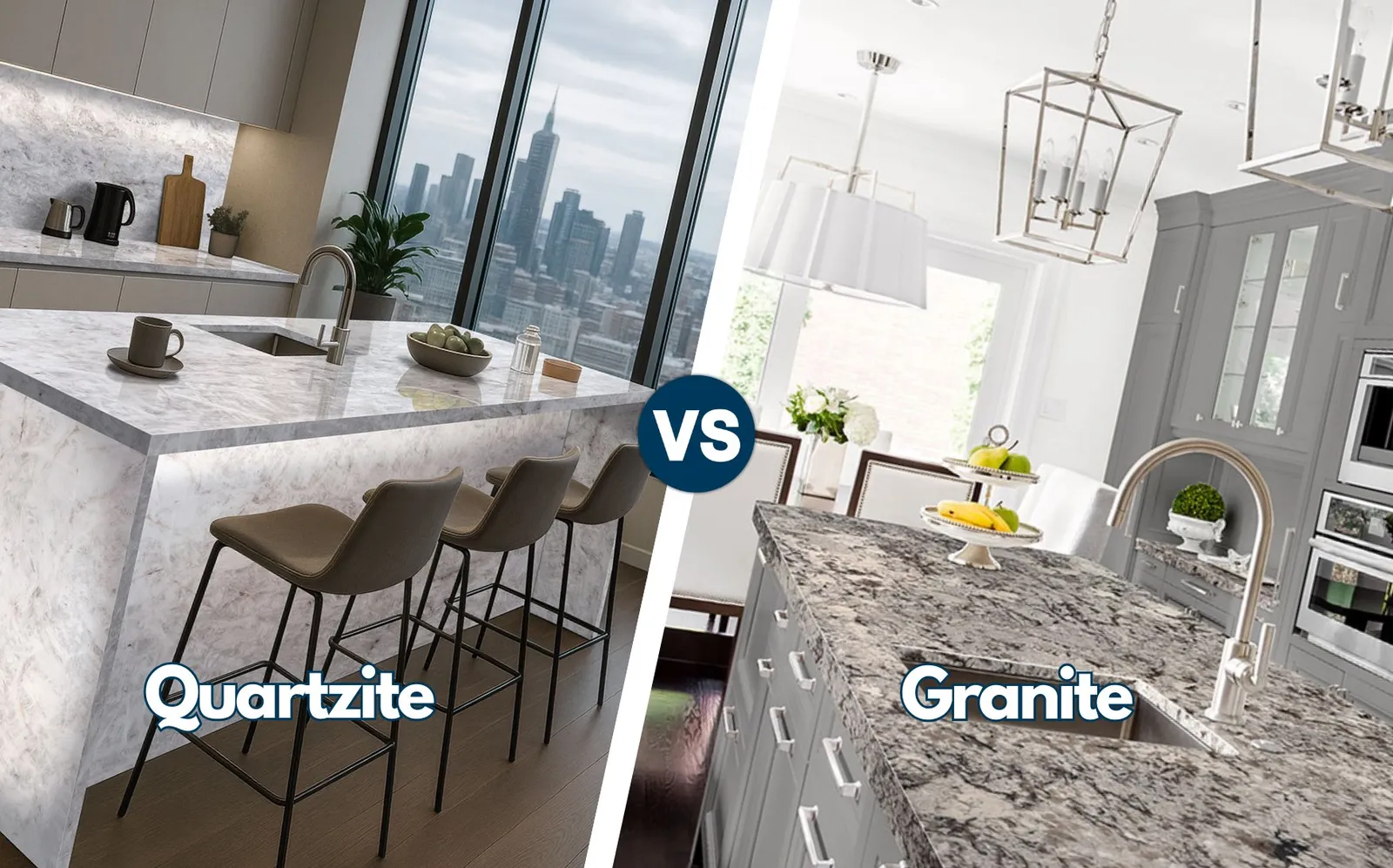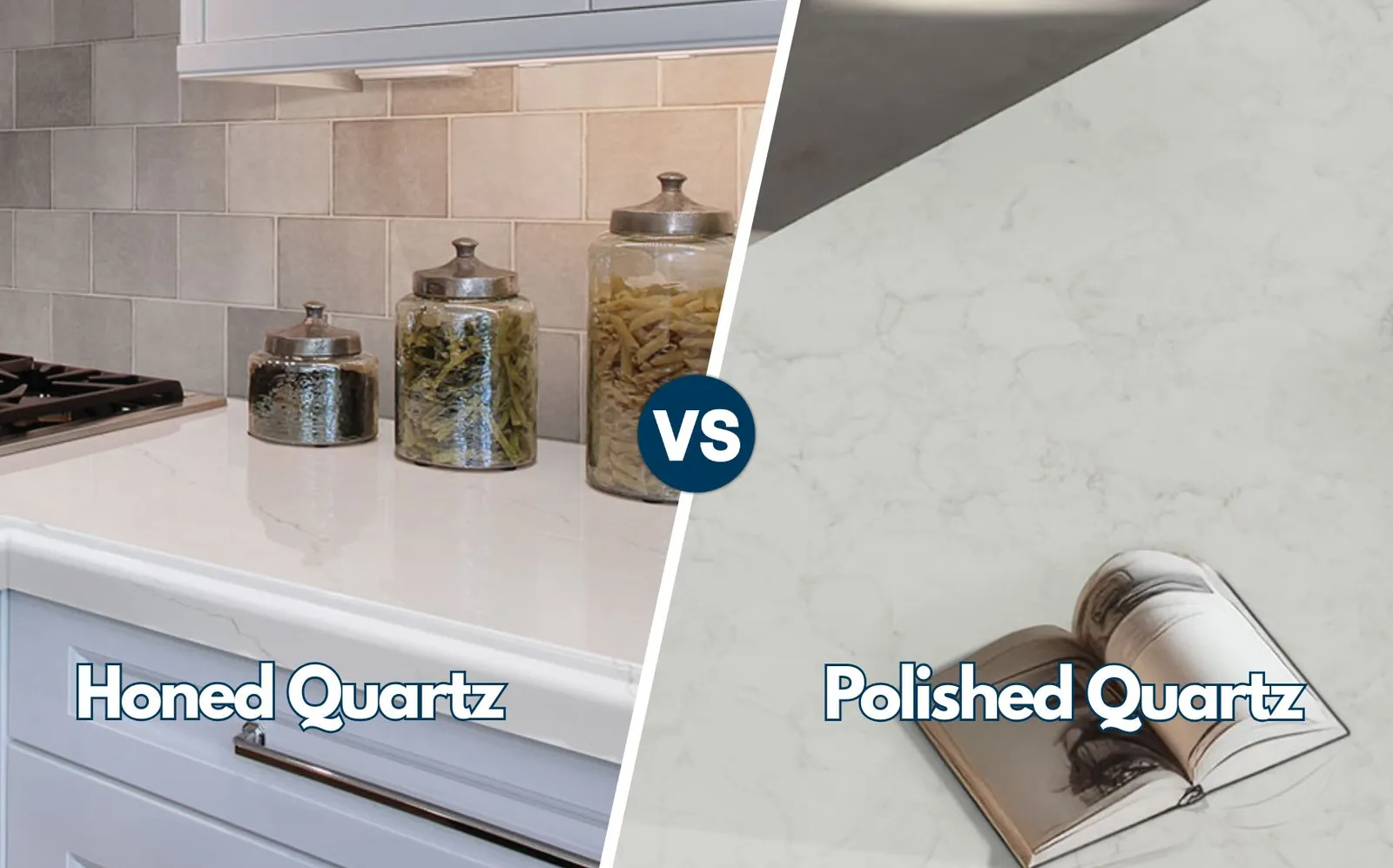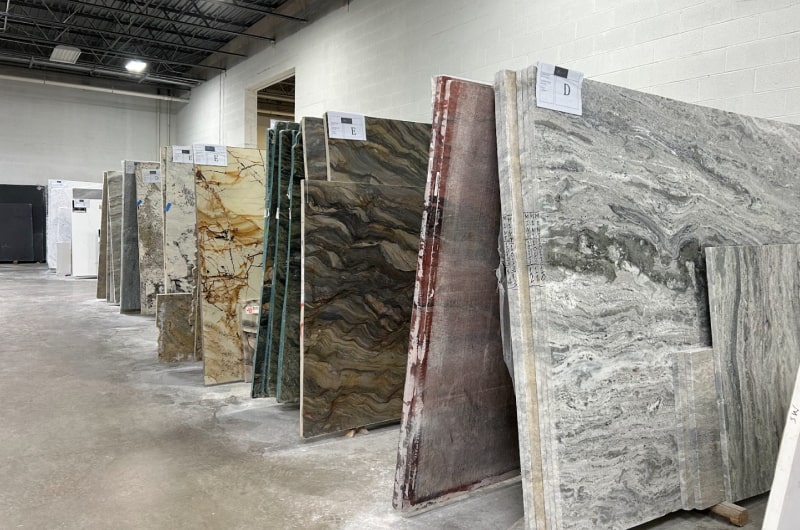
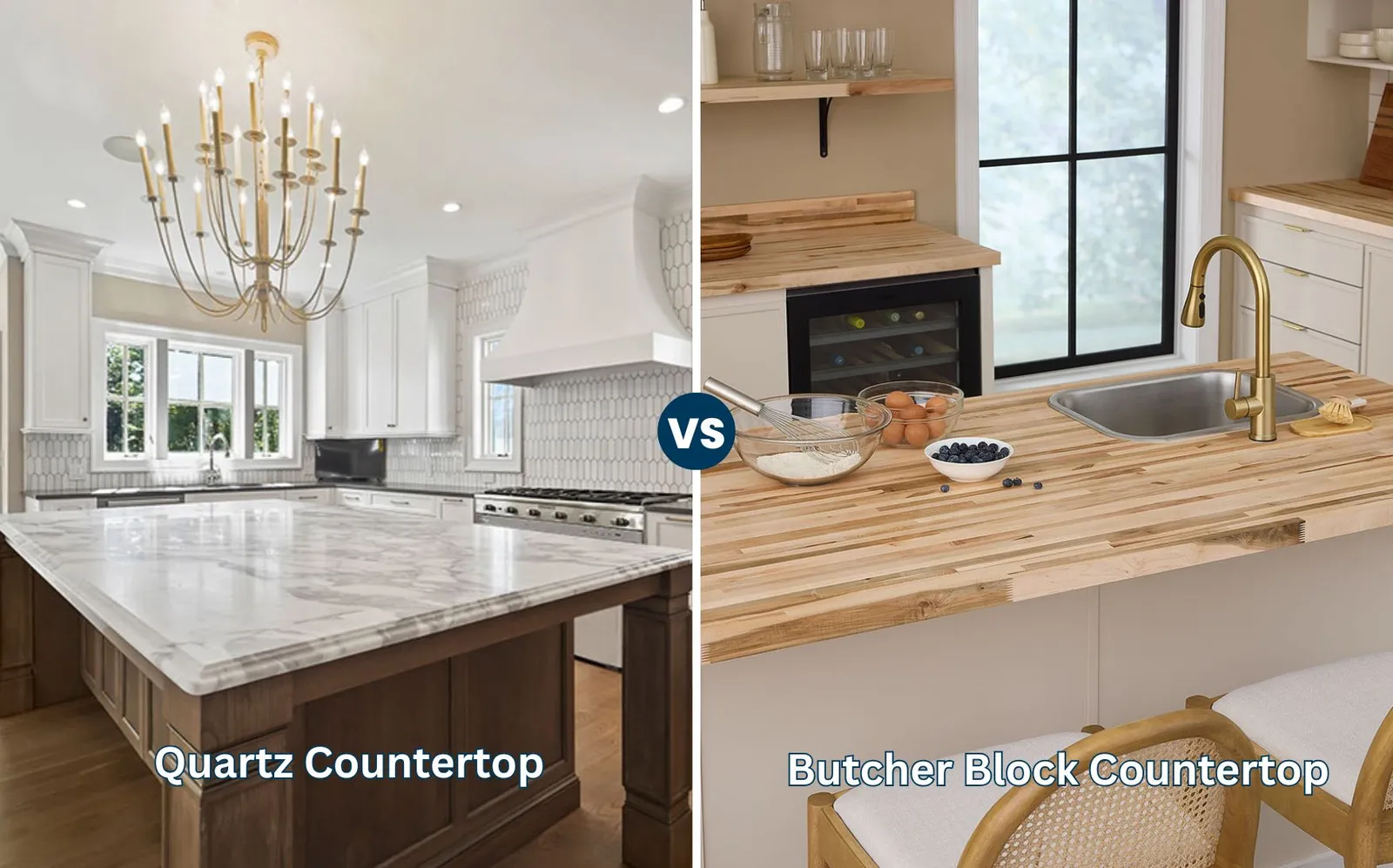
You see popular choices in the market for countertops. Quartz and butcher block are the most popular stones used heavily in kitchens. Both provide different appearances and features. Which one can naturally pair with elements and make an appearance you want? Wait, it is not just about their appearance, but also about which one is more functional. Understanding the Quartz Countertop vs Butcher Block Countertop difference helps you make a smart decision in terms of appearance, longevity, and practicality.
Quartz Countertop vs butcher block countertop: Key Differences
Here is the side-by-side comparison to quickly understand the key differences:
| Feature | Quartz Countertop | Butcher Block Countertop |
| Material Type | Engineered stone surface | Solid natural wood surface |
| Composition | ~90–95% crushed quartz + resins | Solid wood strips glued together |
| Appearance | Uniform, modern, serene look | Warm, natural, rustic charm |
| Color Options | Wide range of colors and patterns | Limited, natural wood tones |
| Durability | Highly durable and long-lasting | Moderate durability, softer material |
| Scratch Resistance | Highly resistant to scratches | Prone to scratches and dents |
| Heat Resistance | Moderate (can be damaged by high heat) | Good, but can scorch with direct heat |
| Water Resistance | Non-porous nature makes it highly moisture-resistant | Porous texture absorbs moisture if not sealed |
| Maintenance | Very low maintenance | Requires periodic oiling and sealing |
| Sealing Requirement | Not required | Required periodically |
| Lifespan | 2–3+ decades | 1–2 decades (with proper care) |
| Cost (Per Sq. Ft.) | Higher initial cost | Generally more affordable |
| Installation | Professional installation required | Also requires professional installation |
| Eco-Friendliness | Moderate, possesses antimicrobial properties | High (natural, renewable material) |
| Best For | Busy modern kitchens, low-maintenance use | Food prep areas, warm traditional kitchens |
Understand Quartz Countertop and Butcher Block Countertop
To understand their differences, it’s important to first briefly study them.
Quartz
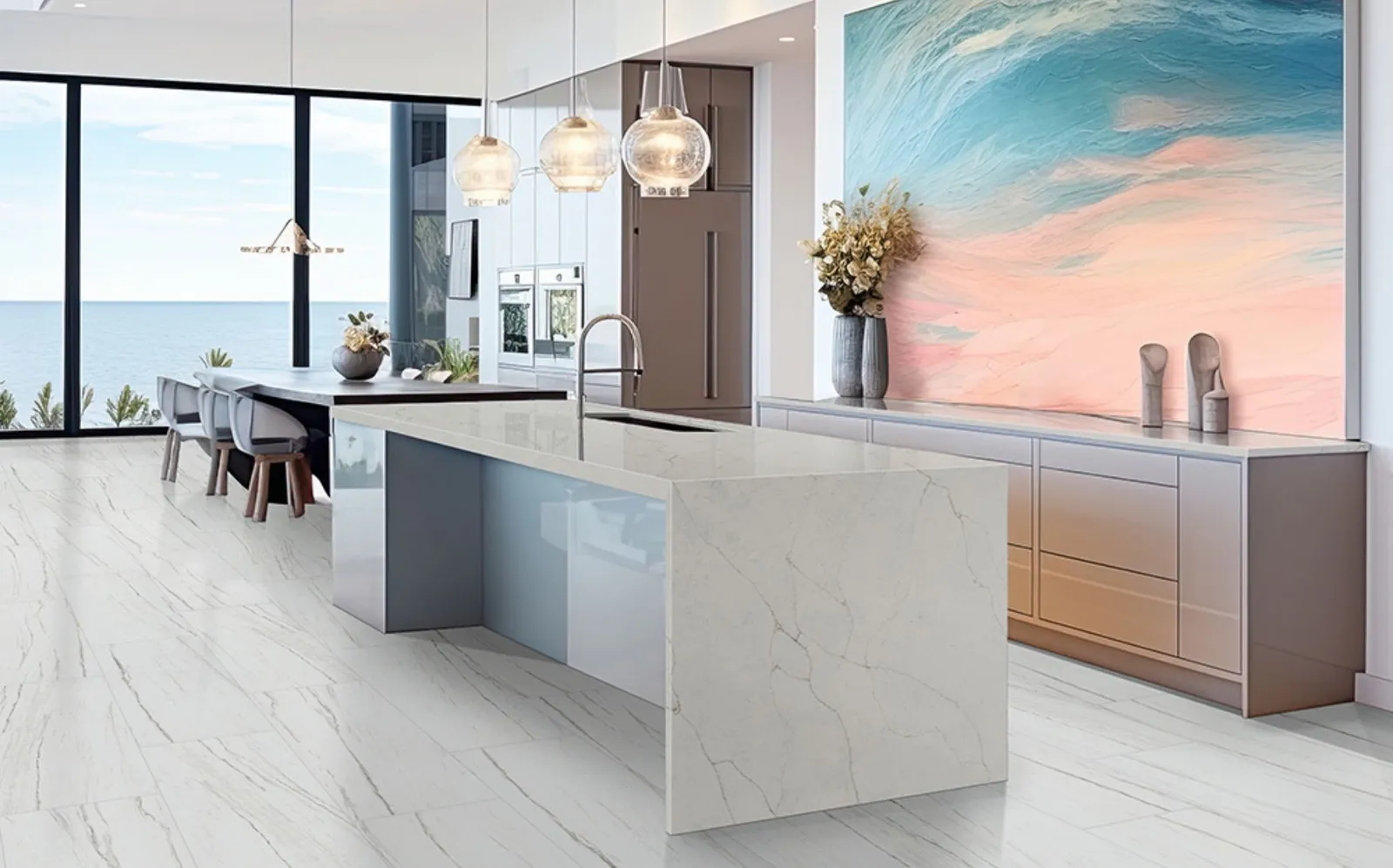
The quartz is a man-made material, therefore, known as engineered manufactured. It is a combination of crashed quartz crystals with reins and pigments. That’s what makes it dense, durable, non-porous, and of consistent appearance. This makes it highly resistant to scratches, stains, and moisture. Interestingly, it is an antimicrobial material because its impermeable surfaces block liquids from seeping.
Moreover, you can hardly find an inconsistency in its slabs. But it does not mean its colors and patterns are limited. If you like a traditional look, it allows you to achieve a marble appearance while enjoying engineered properties. The only compromise you have to make is that you have to avoid placing hot cookware on its worktops. It’s because Quartz is not highly heat-resistant. Apart from this, quartz is valued for its high strength, low maintenance, and consistent appearance.
Butcher Block
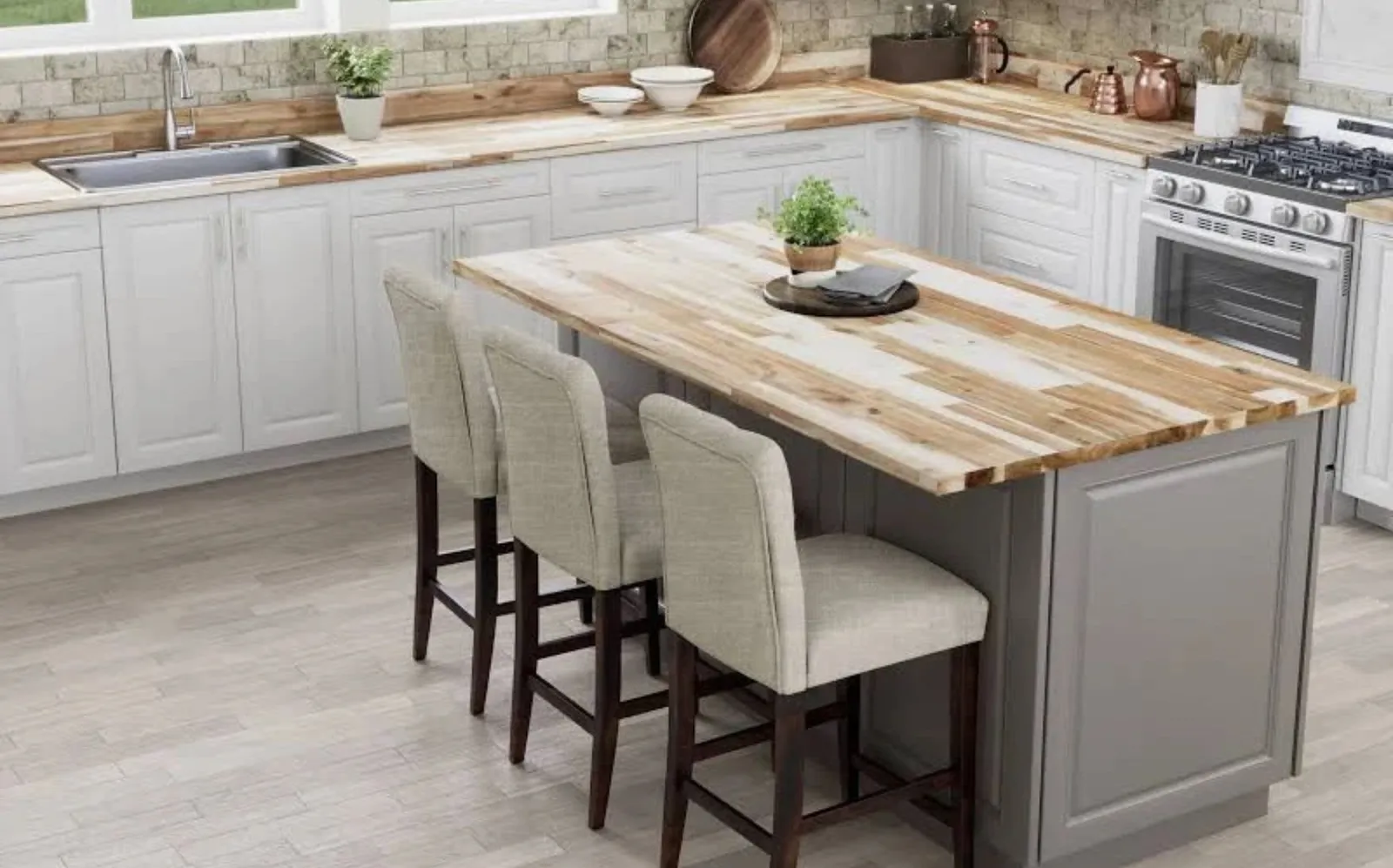
Butcher block countertops are a combination of solid natural wood pieces that are glued together to make thick, durable surfaces. The natural beauty of wood grain structure portrays a warm and organic look in the kitchen. It offers functionality to prepare food and handle daily kitchen tasks comfortably, like chopping and cutting.
Plus, its surface faces sharp objects so gently, such as knives, and is not affected by them. The real challenge is that it is made of wood, which is a natural material, unlike quartz. So, their worktops need periodic sealing and care to maintain their original condition for longer. When butcher block countertops are oiled and sealed properly, they prevent moisture absorption, stains, and bacterial growth. If you do not maintain them as required, they may gradually become less effective in functionality or appearance.
In case of any small dents, marks, or spills, the affected area needs to be repaired quickly to minimize damage. This does not make it less popular; instead, the homeowners who want to experience something natural and eye-catching choose it. They maintain their natural charm with thorough upkeep.
Quartz countertop vs butcher block countertop: Appearance & Style Differences
First of all, the difference that feels at first glance is of appearance. Both stones are too different to look at
Quartz Countertops For Modern And Polished Look
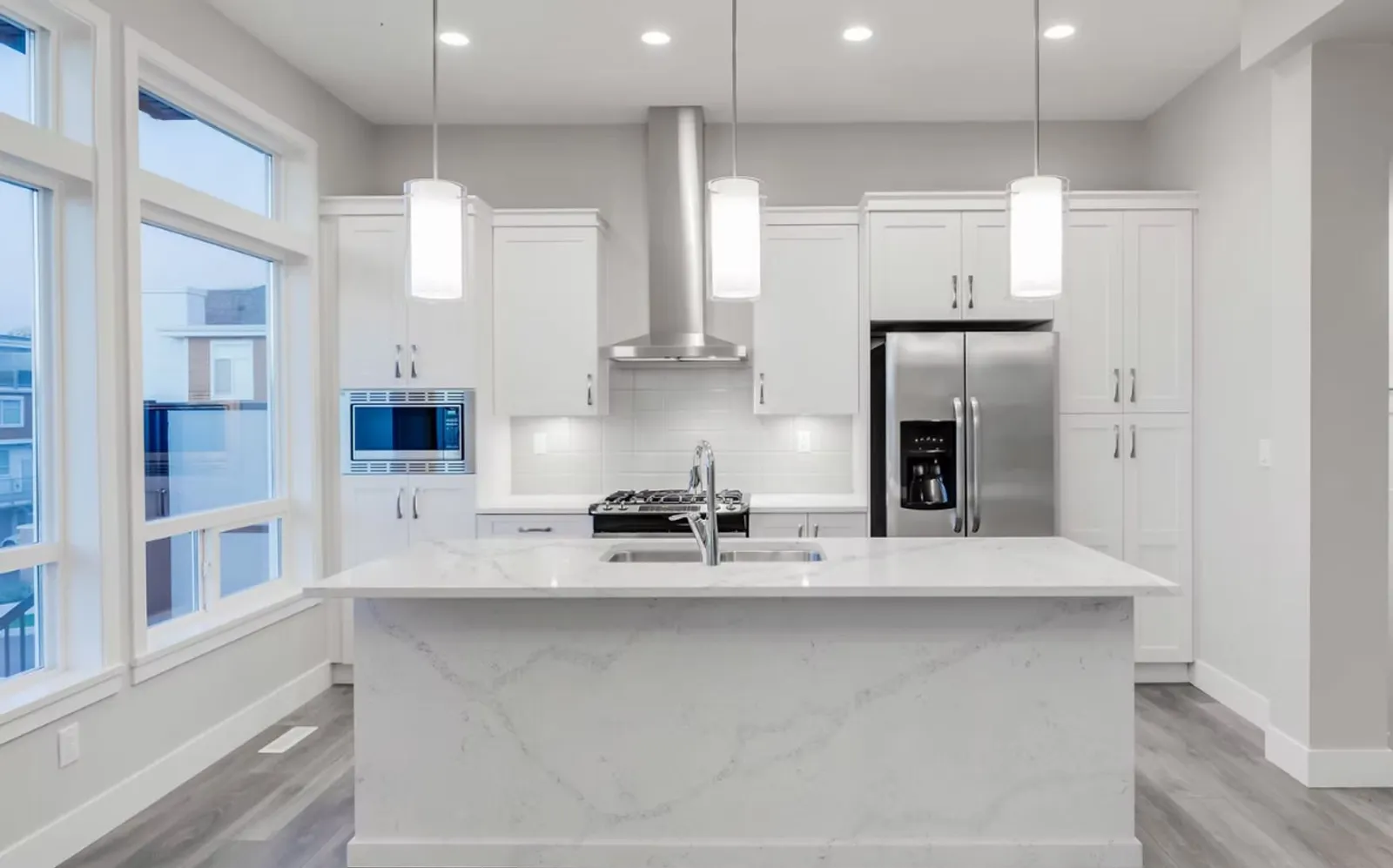
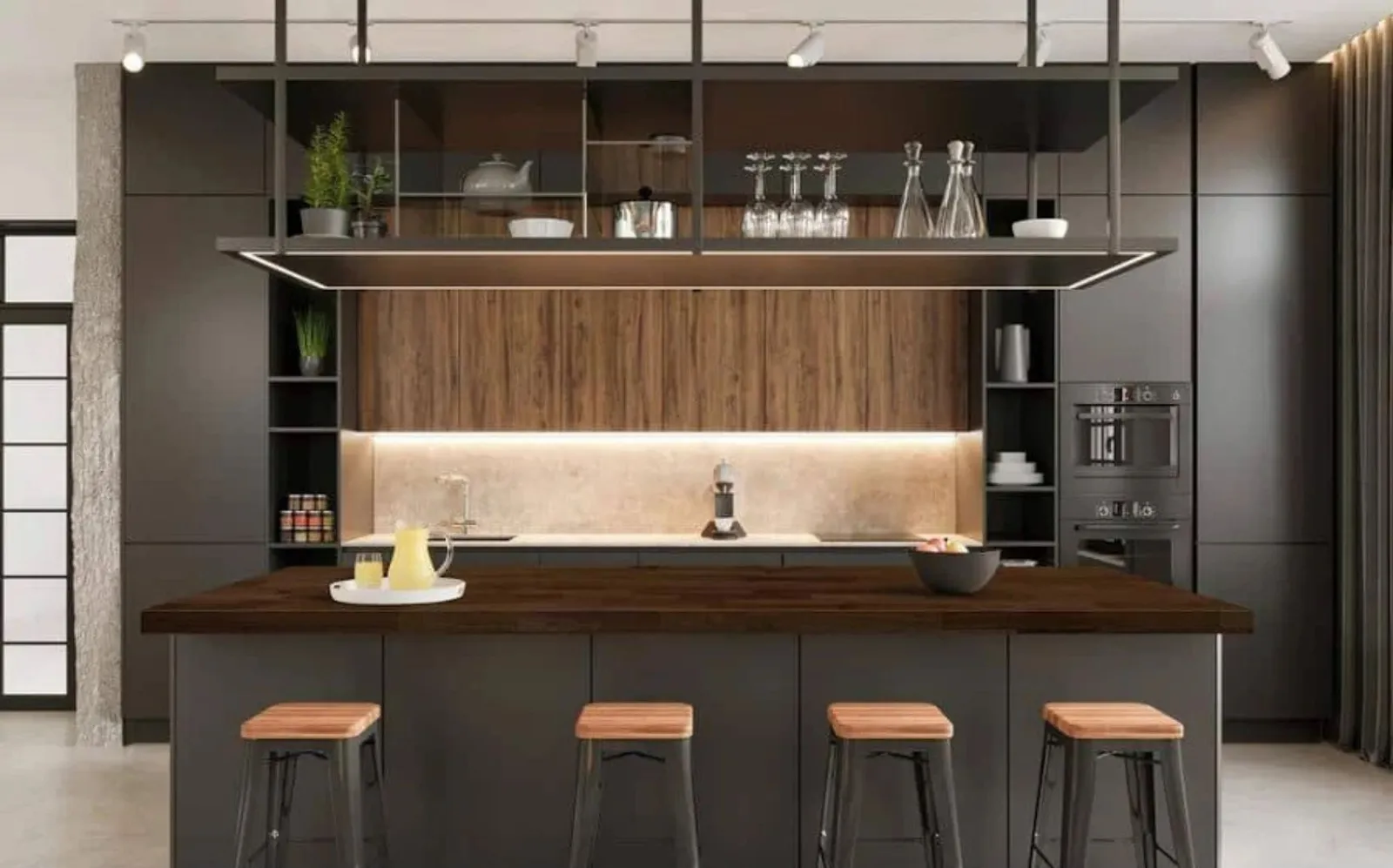
Quartz countertops are clean, modern, polished, and often consistent in pattern. Houseowners have a wide variety of colors and designs in the showroom to pick slabs that better suit their preferences. They can select from bright, dark, and warmer tones, whichever pair best with other elements. This makes Quartz countertops a versatile choice for different kitchen designs, including contemporary, minimalist, or luxury kitchens. It can be used in a range of kitchen styles when coordinated correctly.
Butcher Block Worktops For Organic Feel
On the other hand, the butcher block’s wood appearance makes the space feel warmer, yellowish, and relaxed. It is mostly used in traditional and rustic-style kitchens. However, if they pair well, it also feels anchored in contemporary design. Its slab’s texture is not consistent like quartz. Each one is unique as an organic pattern. For a softer and more lived-in aesthetic, it remains the ultimate choice.
Quartz Countertop vs Butcher Block Countertop: Durability & Strength
Both of these materials stand differently in daily kitchen activities. Let’s take an overview of the details regarding this:
These engineered stone surfaces come with high durability and reliable performance. Due to engineered composition, they are denser and resistant to scratches, chips, moisture, and everyday wear. This makes them ideal for high-traffic areas, whether in the kitchen or bathroom. However, quartz worktops are not fully heat-resistant. If they directly contact hot pots and pans, their surfaces can be damaged over time. Proper countertop installation also plays a key role in ensuring long-term stability and preventing stress at joints and edges.
The solid wood of butcher block countertops is less dense than quartz. These surfaces are not resistant to high scratches, dents, and heat marks. Plus, the wood is moisture sensitive. If some liquid is left on their surfaces, it will be observed and cause stains or swelling with time. Therefore, they need to be maintained with oil and sealing. In terms of strength, the countertops of butcher block can withstand kitchen tasks, but not as well as quartz.
Maintenance & Care Distinction
As totally different compositions, their method of care is also varied.
Quartz
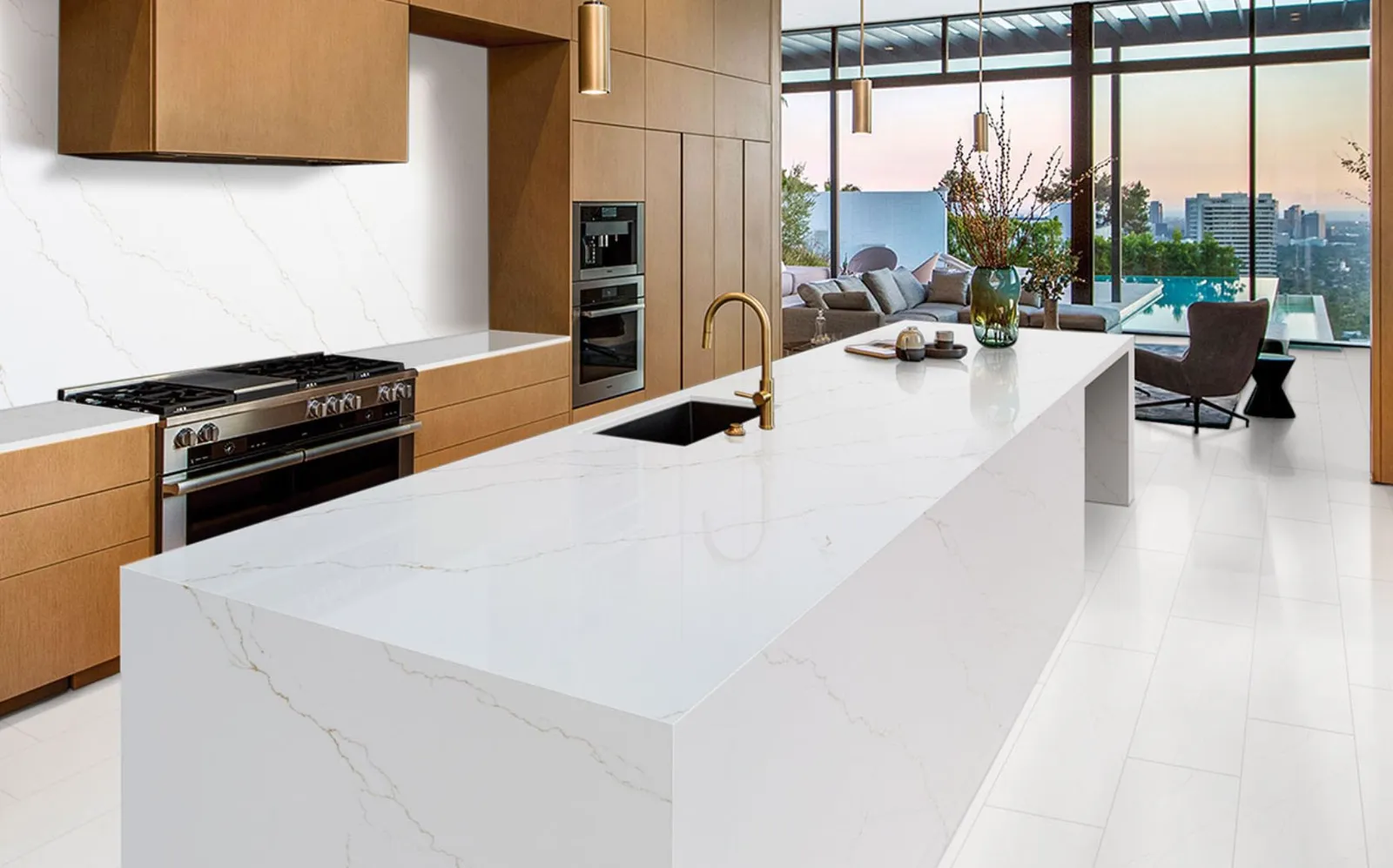
These man-made materials can maintain their original form and appearance for longer without any special treatments. Their patterns are already well-sealed and polished with design. The only thing you have to do in care is its cleaning. It can be done with some gentle soap and a mild cleaner. This way, the dust, food particles, and liquor are removed, which helps the surface to stay clean and fresh. In simple words, quartz is a low-maintenance stone that only asks for regular cleaning. Simple methods to clean quartz countertops that help keep the surface fresh, smooth, and polished.
Butcher Block
Their natural material requires more care. Regular oiling is important to make the surfaces less dry and reduce the risk of cracks or stains. Likewise, regular sealing protects them from moisture. Without these treatments, the wood can be damaged in regular use or cause discoloration. Daily cleaning is compulsory to minimize water damage and wipe out spills.
Lifespan & Value of Quartz Countertop vs Butcher Block Countertop
Quartz Surfaces
The quartz benchtop’s lifespan is much longer than wood surfaces. Their hard composition and durability allow them to attain good condition for decades without essential care. It works best for homeowners who want to invest in countertops once and avoid frequent replacements.
Butcher Block Surfaces
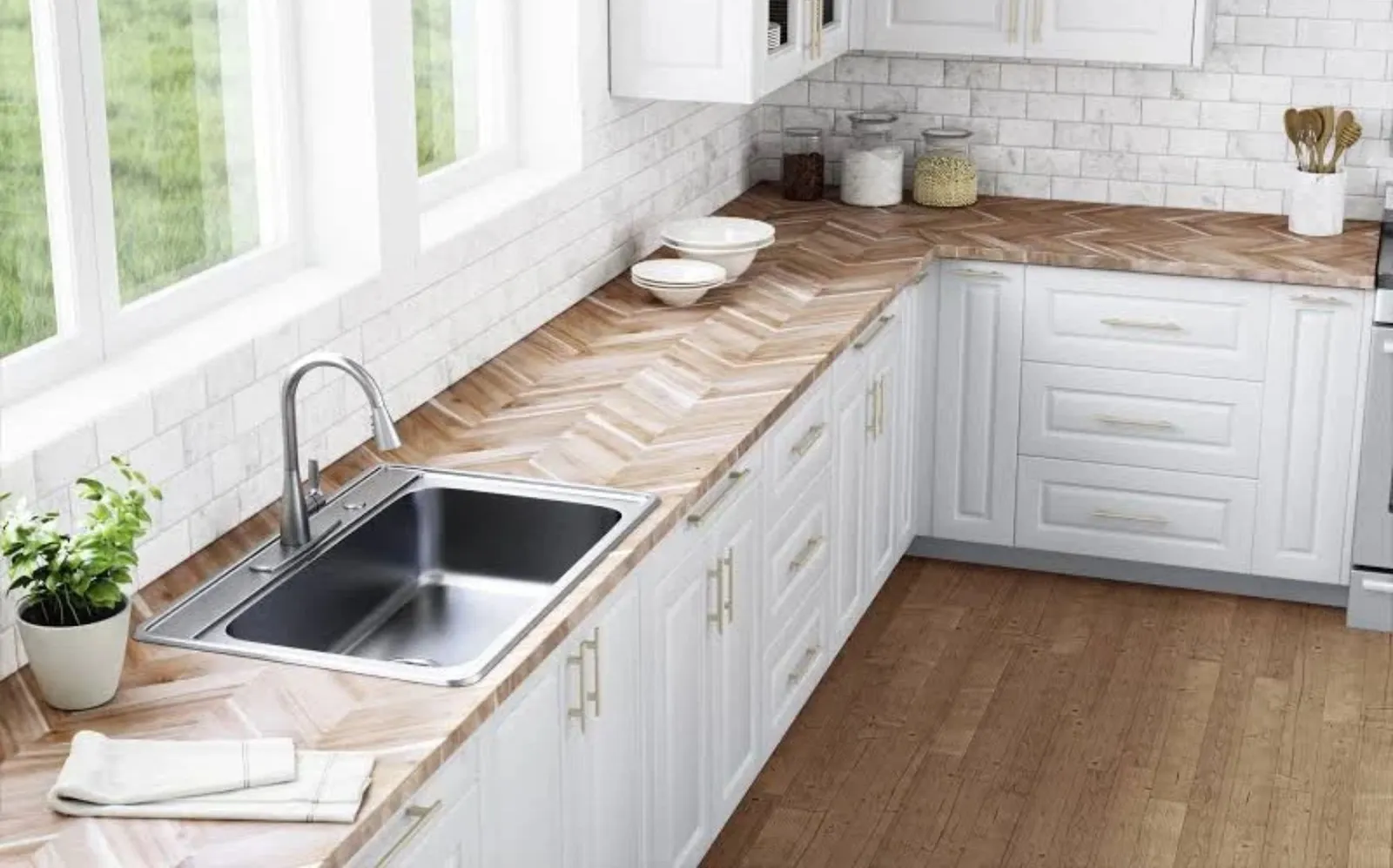
Butcher Block countertops usually last for 1 to 1.5 decades, as they are sensitive to moisture, scratches, and heat. If you keep them sealed, they may stay stronger in appearance and strength than this range. They do not cost much, so one who keeps remodeling can try out its aesthetic in the kitchen.
Unmatched Cost Comparison
The table below shows the butcher block and quartz countertops cost comparison for both materials:
| Cost Factor | Quartz Countertop | Butcher Block Countertop |
| Material Cost (Per Sq. Ft.) | $50 – $150 | $25 – $70 |
| Installed Cost (Per Sq. Ft.) | $70 – $200 | $40 – $100 |
| Budget Range | $50 – $70 | $40 – $55 |
| Mid-Range | $70 – $100 | $55 – $75 |
| Premium Range | $100 – $150+ | $75 – $100+ |
| Average Kitchen Cost | $3,000 – $6,000 | $1,200 – $3,000 |
| Maintenance Cost (Yearly) | Minimal | $30 – $80 (oiling/sealing) |
Best Use Cases
Both materials suit various areas, whether looking for residential or urban settings. In the wrong environment, their aesthetic and functionality can not be helpful as intended. Therefore, it’s important to understand where they can work well before taking a step ahead.
Quartz Countertops
- High-traffic kitchens, performing everyday activities
- Bathroom vanities and wet zones
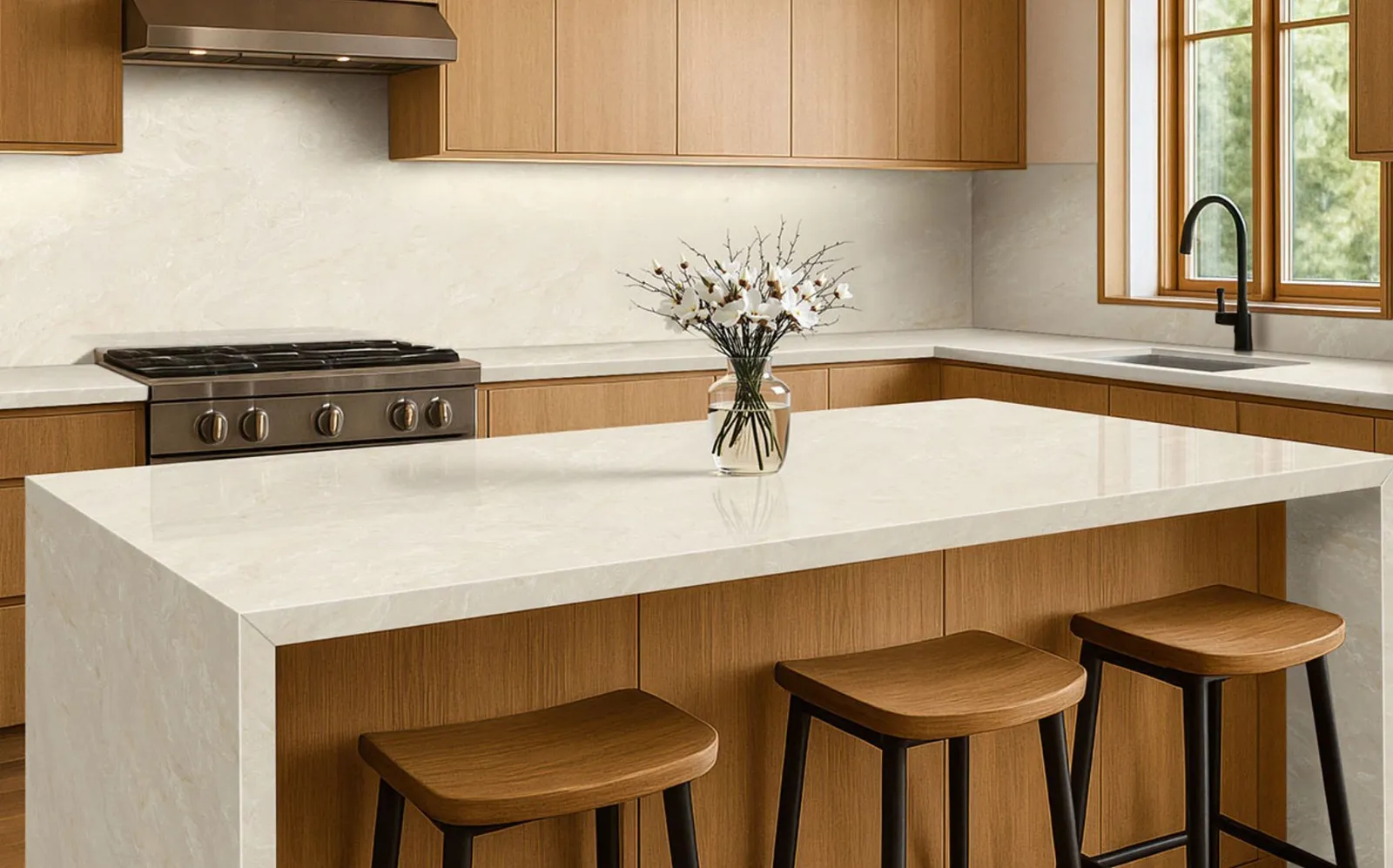
- Modern kitchen islands
- Floors with minimal activity
- Commercial or heavy-use kitchens
- Spaces requiring a clean, uniform finish
Butcher Block Countertops
- Kitchens that specifically focus on food preparation tasks
- Traditional, rustic, or farmhouse-style kitchens
- Kitchen islands with cutting surfaces
- Accent countertops or sections
- Spaces that aim to accomplish natural aesthetics
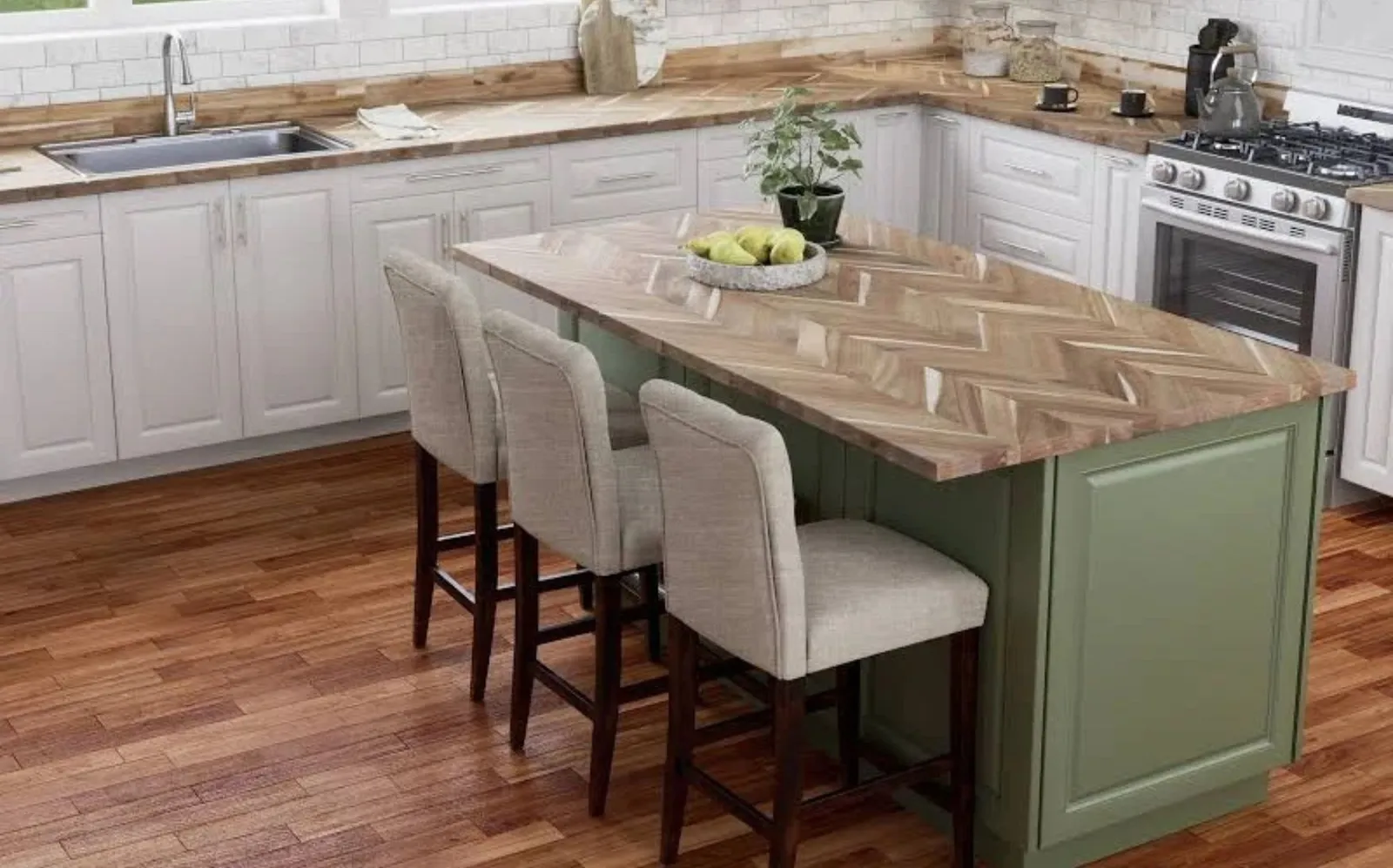
Pros and Cons of Quartz and Butcher Block Countertop
Quartz and butcher block are engineered and natural stone, respectively. Along with benefits, both have some drawbacks that distinguish them from each other. Understanding quartz countertops pros and cons alongside butcher block helps you compare them more effectively.
Quartz Countertops
| Pros | Cons |
| Highly durable and long-lasting | Higher upfront cost |
| Resistant to stains and moisture | Not fully heat-resistant |
| Low maintenance and easy to clean | Requires professional installation |
| Non-porous surface, making it antimicrobial (hygienic) | Less natural look compared to stone/wood |
| Wide variety of colors and patterns | Difficult to repair if heavily damaged |
| Consistent, uniform appearance |
Butcher Block Countertops
| Pros | Cons |
| Have a natural and warm appearance | Requires regular maintenance (oiling/sealing) |
| Can be sanded and refinished | Prone to scratches and dents |
| Budget-friendly option | Sensitive to moisture and water damage |
| Ideal for food preparation areas | Can stain easily if not cleaned quickly |
| Adds character and texture to kitchens | Shorter lifespan without sealing |
| Works well in rustic and traditional designs | Can be affected by heat and heavy use |
Quartz Countertop vs Butcher Block Countertop FAQs
The following FAQs cover common questions to clarify your remaining doubts:
Can quartz and butcher block be used together in the same kitchen?
Yes, you can use quartz and butcher block countertops in the kitchen to achieve your desired look. Use quartz where most activities are performed, while the butcher block can be used in prep areas.
Which counter is better for cutting and food preparation?
Butcher block is often considered to work better as a cutting board. Its because this material is forgiving to sharp objects, and remains unchanged by their use.
Does butcher block develop a patina over time?
Yes, natural wood butcher block can slightly get darker with the passage of time.
Can quartz countertops be repaired if they get damaged?
Yes, the light chips, scratches, or chips can be repaired if you fill the infected area. You have to take the repair steps quickly. For bigger damage, contacting a professional is recommended.
Which countertop is better for resale value?
Quartz and granite are generally preferred for resale value. Buyers highly favored them because of their high durability and low-maintenance surfaces.
Final Verdict
Quartz countertops are best when homeowners want to build and remodel something unique, luxurious, and consistent in pattern. Butcher block countertops are best when homeowners like rustic, cluttered, and traditional style kitchens. No doubt the first one can stay longer, but the latter ones are also good to go with proper maintenance. Overall, it depends on preferences and how long you want to enjoy the countertop. At Royal Marble and Granite NJ, countertop guidance focuses on helping homeowners choose stone that fits style, budget, long-term needs.