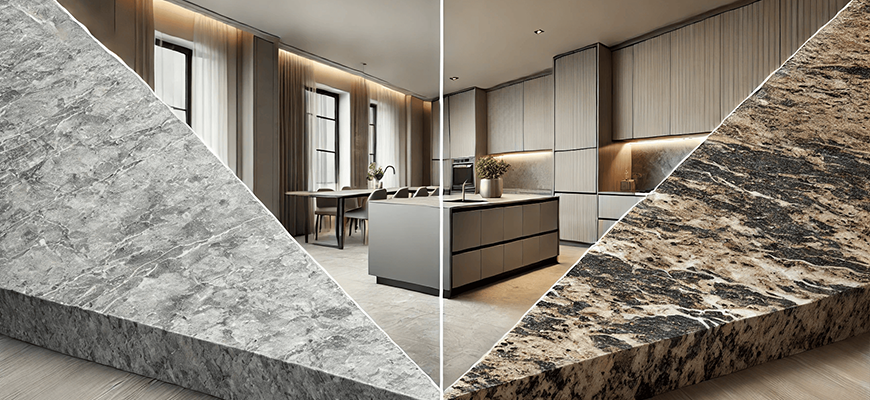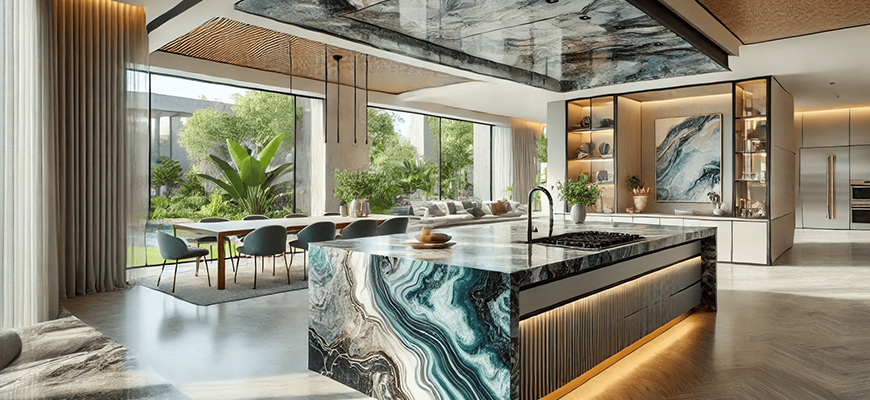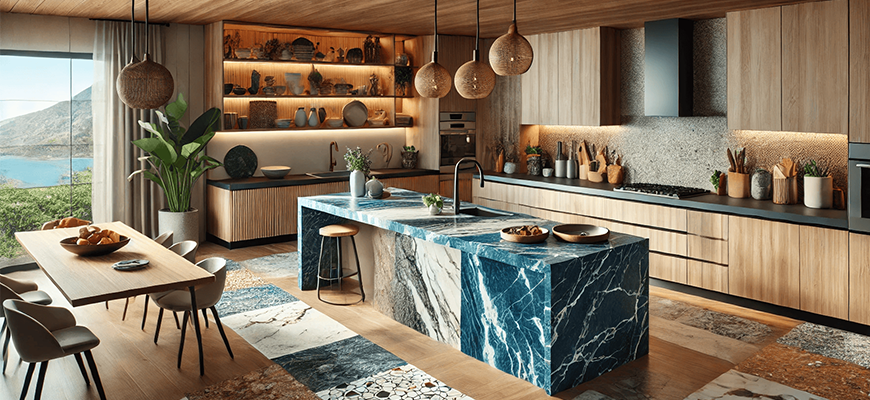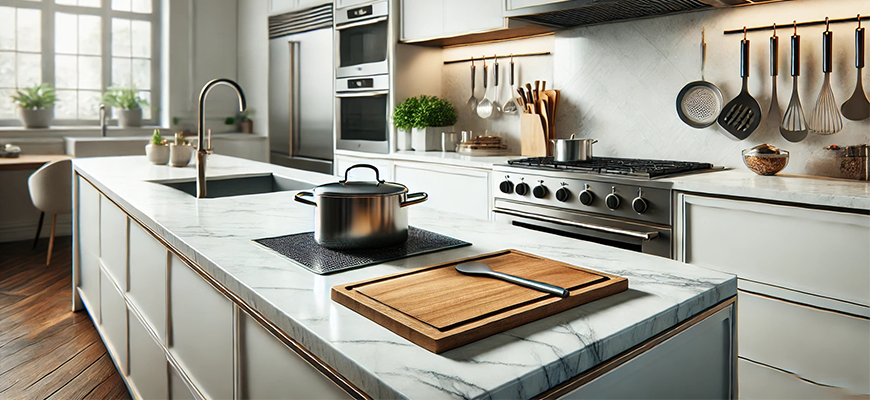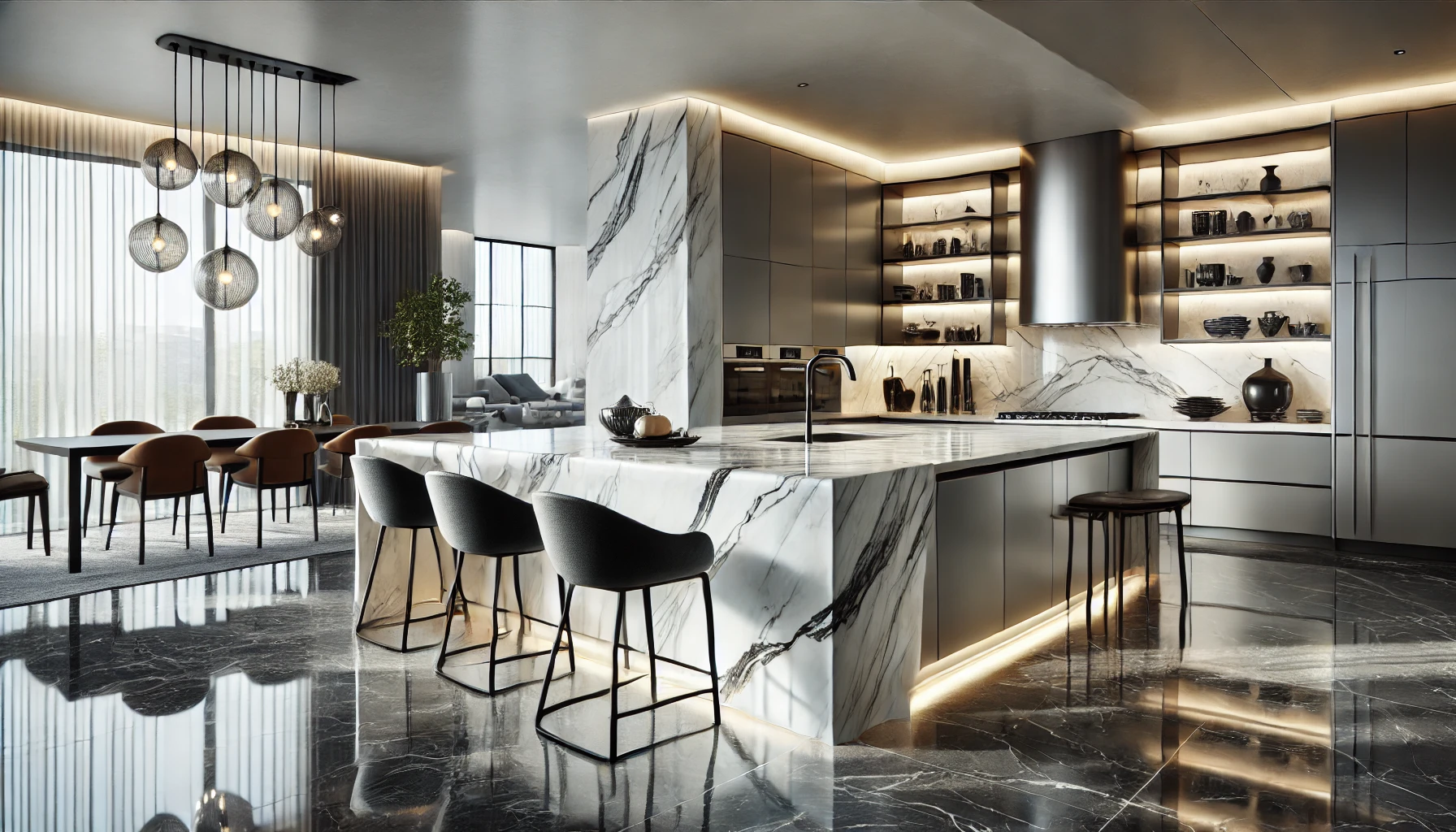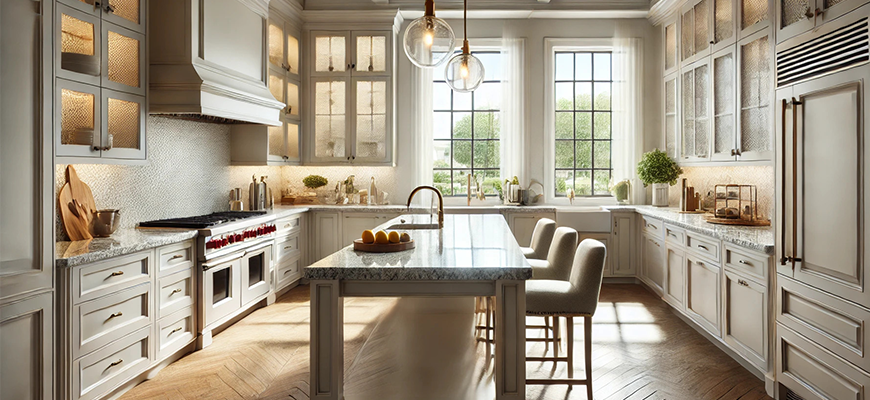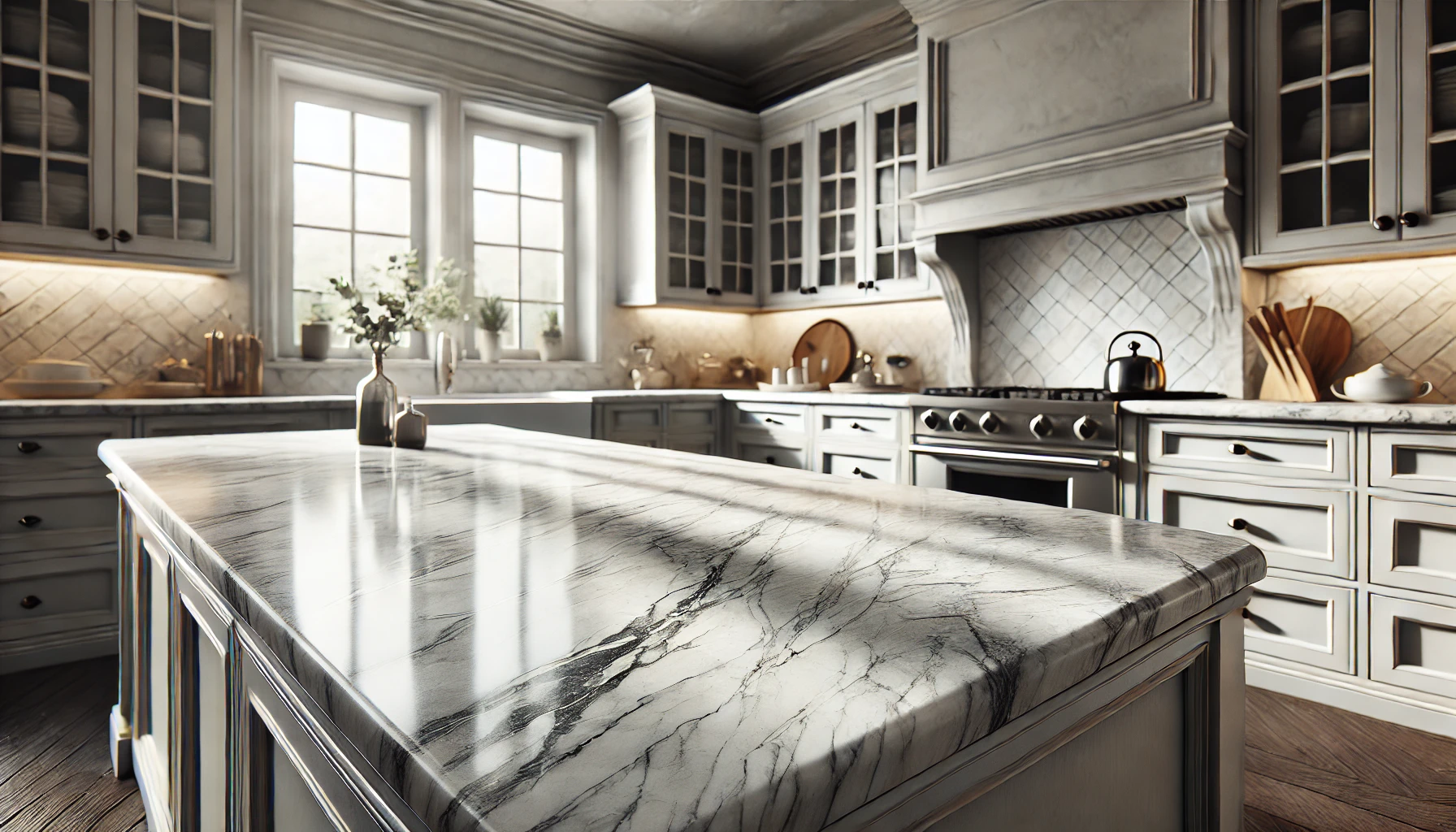
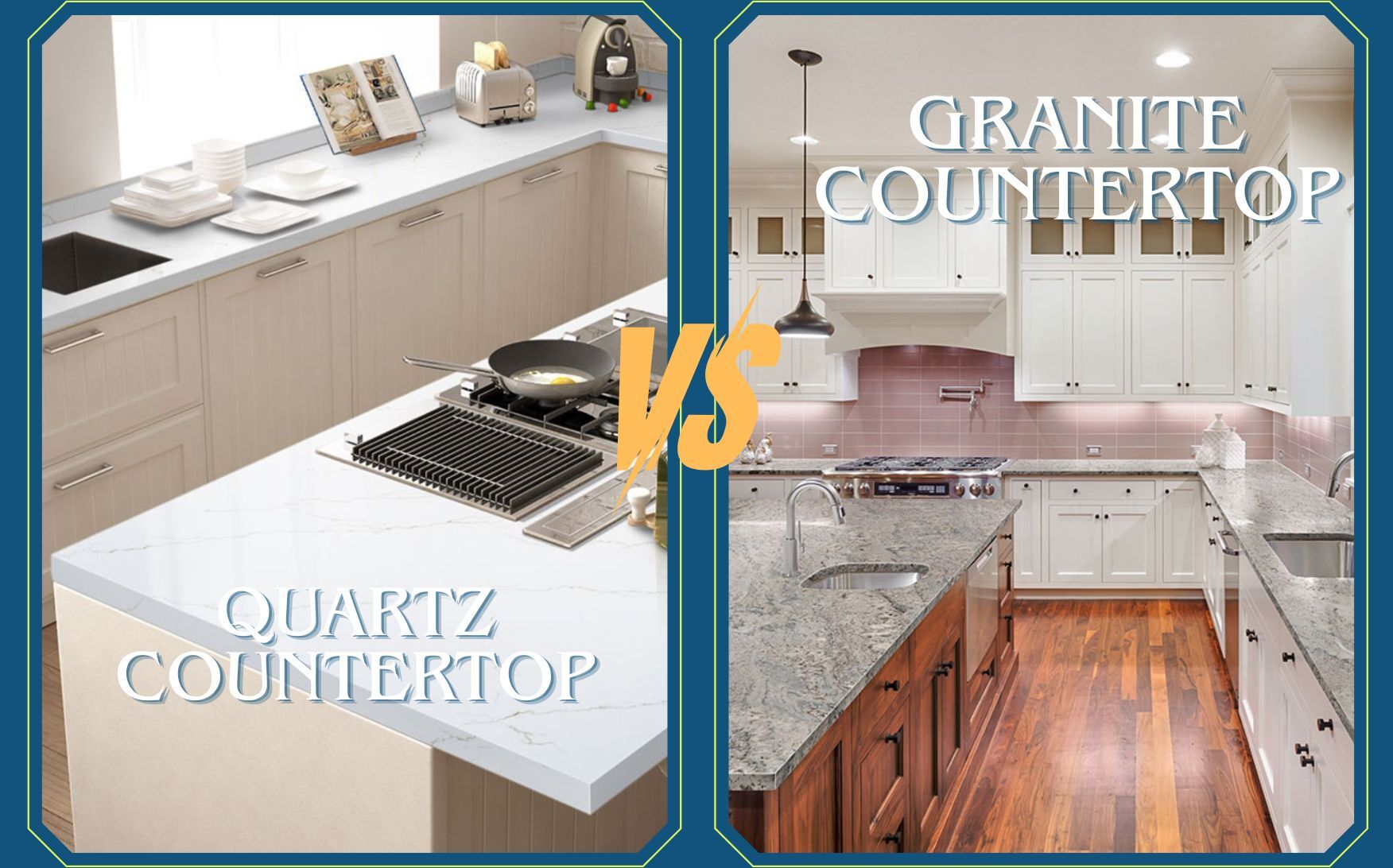
Quartz and Granite come from two big categories of stones. One is an engineered stone, and the other is a natural material. Both countertops are durable, long-lasting, and strong. One of the most important features that makes Quartz different from Granite is that it does not require periodic sealing. Therefore, many homeowners want to pick it. Meanwhile, the question arises whether it is cheaper than Granite.
It’s the question whose answer cannot be concluded by seeing just one aspect. Many factors and features can vary the rates. That’s why today’s guide, “Is Quartz Cheaper than Granite?” is compiled. Knowing such details helps make an informed choice that fits both your style and your budget.
Quick Overview of Cost Comparison: Quartz vs Granite
First, let’s see whether granite or quartz is more expensive. Below is the pricing range of all aspects that contribute to the total amount.
| Factor | Quartz | Granite |
| Material Cost (per sq. ft.) | $50 – $150 | $40 – $175 |
| Installed Cost (per sq. ft.) | $75 – $185 | $80 – $225 |
| Average Project Cost | $2,000 – $8,000 | $1,800 – $9,500 |
| Installation Cost | $1,800 – $4,500 | $1,500 – $4,000 |
| Sealing Requirments | No. It is a zero-maintenance product | Yes, mostly after 1 to 3 years |
| Sealing Cost (if applicable) | None | $100 – $300 per session |
| Heat Resistance | Up to ~300–400°F (use a trivet) | Up to 1,200°F (handles hot pans well) |
| Lifespan | 30 to 50+ years | 40 to 100+ years |
| Pricing Consistency | Very predictable | Can vary widely by slab |
| Resale Value | Strong, trending high in 2026 | Strong due to classical appeal |
| Best For | Low-maintenance, modern kitchens | Heat-heavy cooking, natural stone lovers |
Is Quartz Less Expensive than Granite?
No, many times granite costs less than Quartz. It depends on grade, color, and thickness. Quartz counterto generally ranges between $80 and $140 per square foot installed. Granite takes around $80 to $175 per square foot, including installation. They need the same budget, but if you choose rare, exotic slabs of Granite, you may have to spend more. However, the Quartz prices can remain consistent due to its engineered manufacturing.
Homeowners think that Quartz is a one-time investment because it does not require sealing every few years. Those who do not consider this aspect at the time of purchasing feel a pricing difference after a period. Granite approximately needs $100 to $300 per session, but Quartz doesn’t. So, even if the granite looks cheaper at first, the maintenance costs may fill this gap throughout the years. It means Quartz may feel a little bit more expensive than level 1 Granite, but it’s a smart choice.
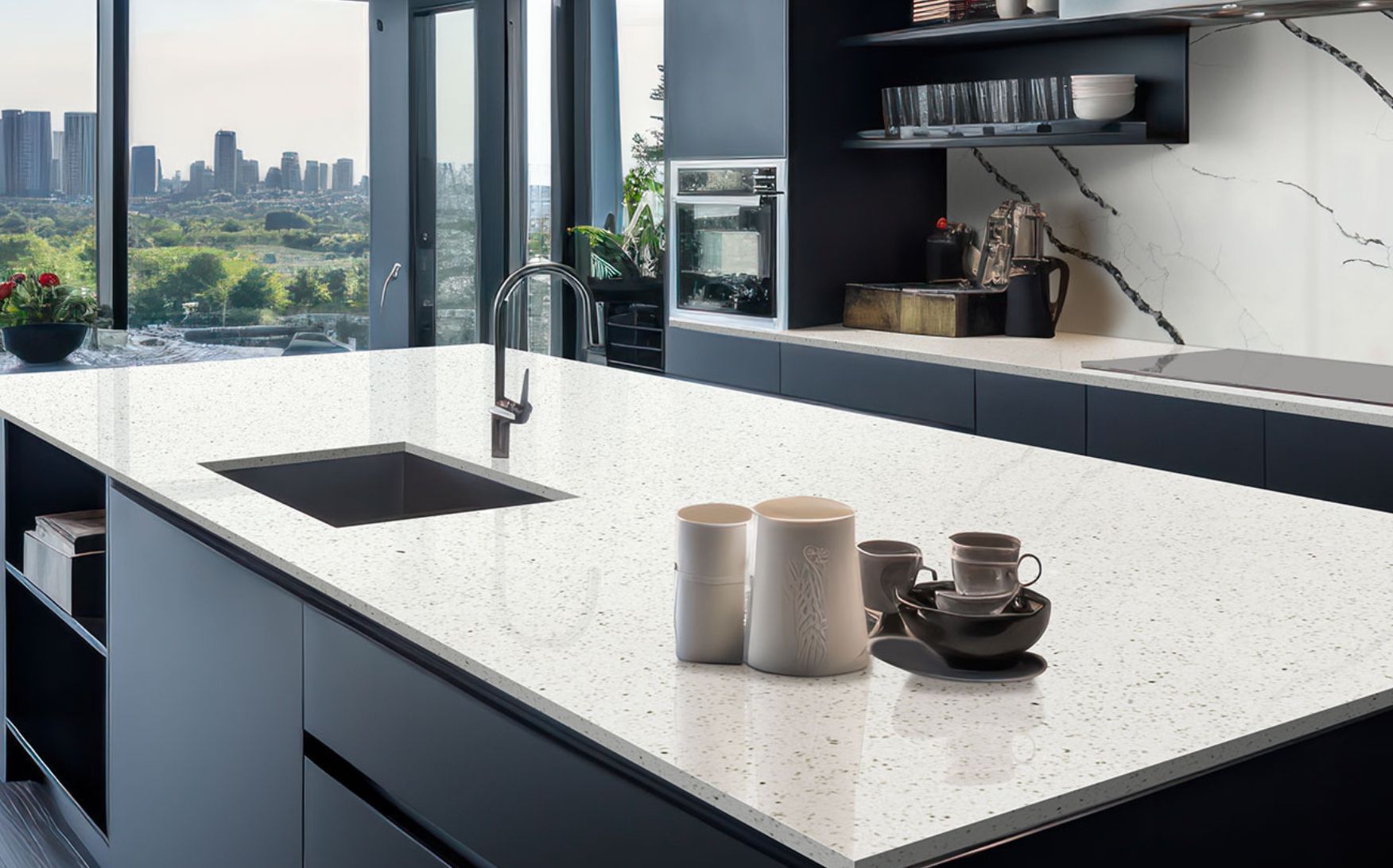
Average Cost of Quartz Countertops
With installation, the average cost of Quartz countertops is $50 to $150 per square foot. For a standard kitchen, you may have to spend around $3,500 to $7,500 for a complete project. This also includes material, fabrication, and labor charges.
Here is the budget range you need for different levels of Quartz worktops:
- Basic Quartz: $50 to $80 per sq. ft: Solid colors, simple patterns, standard brands.
- Mid-Range Quartz: $80 to $120 per sq. ft: Marble-look finishes and popular brands like Silestone or Caesarstone
- Premium Quartz: $120 to $150+ per sq. ft: Rare patterns, large-size slabs, luxury brands.
Although the laborers’ costs varied from region to region, at least you have $10 to $30 for this. Additional work, like sink cutouts, custom edge profiles, or removal of old countertops, also adds to the final bill. Professional Quartz Countertop Installation can also influence the final project cost depending on layout complexity and custom features.
So the answer to the question “Are quartz countertops more expensive than granite?” is yes, especially in the mid-to-premium range. But as I mentioned before, the premium and rare Granite is not cheaper than Quartz.
Average Cost of Granite Countertops
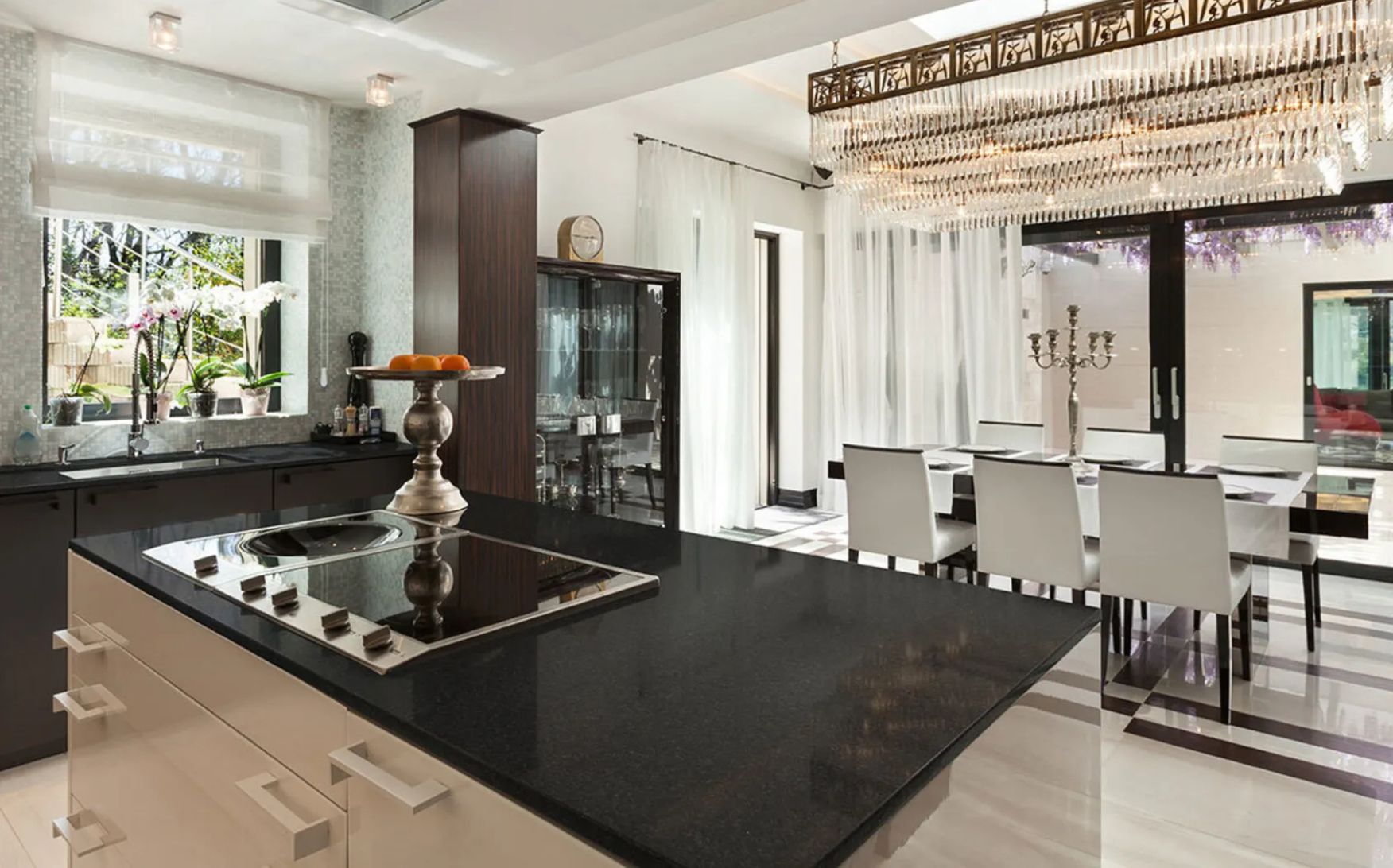
The average price for Granite worktops commonly starts from $55 to $175 in 2026. In standard kitchens, homeowners likely have to invest $70 to $115 for the whole project.
For decades, it has been widely chosen for homes due to its durability, elegant appeal, and natural beauty.
Interestingly, you get three main categories of Granite surfaces to choose from. Basic materials are cheaper, and premium requires a more hefty amount. Get their pricing idea from the following:
- Entry-Level: $40 to $60 per sq. ft: Common colors like black, beige, and white
- Mid-Range: $60 to $100 per sq. ft: Prominent veining and more color variety
- Exotic/High-End: $100 to $200+ per sq. ft: Rare imported stones with unique, distinct patterns
Granite is genuinely hard to beat in value when the slabs are premium. The important fact to know is that the advertised price does not always mean it is the final price you will pay. If the kitchen size is bid, the more material required, which automatically increases the total. Other factors can also increase the expenses, including templating, fabrication, delivery, old countertop removal, and plumbing. This way, the $49 per square foot kitchen can require the amount of $92 per square foot project.
Factors That Affect the Price of Granite and Quartz
If you are still unsure about “is quartz cheaper than granite,” knowing factors that affect their pricing can help.
We often hear from our customers that the advertised prices are not the actual cost they paid. Here are some factors that help understand why this happened:
1. Material Grade and Quality
Material quality and level affect their prices directly. It’s the reason the entry-level granite starts from $5, but the premium exceeds $250. Finishes and fabrication complexity matter a lot. The Quartz’s unique patterns or veining, e.g., marble-like surfaces, cost significantly more due to the manufacturing process. The coloring and simple designs do not affect the price much.
2. Slab Thickness
Another consideration is countertop width, as larger surfaces require more material and fabrication work. Thicker slabs are solid and hard. 3cm surfaces are considered more premium in look and price. Another option is a 2cm slab, which is budget-friendly but often needs plywood support. This also adds cost somehow, so it’s better to first choose the thicker one.
3. Edge Profiles
Edge shapes affect more than you think. A straight or easy made edges included in the base price. Simple, straight borders may be done within the base rate. Decorative edges ask for more money because they require extra skill to fabricate. Its common examples are ogee and bullnose profiles.
4. Cutouts and Layout Complexity
The more the project requirements, the higher the rates are. For example, more sink cutouts, faucet holes, and electrical openings increase the fabrication cost equally for both quartz and granite.
5. Location and Labor Rates
In different cities, the final cost for kitchen countertop installation is never the same. Labor doesn’t charge the same in big cities, coastal areas, and rural locations.
6. Brand (Quartz Only)
Due to man’s manufacturing, Quartz can be sold by different organizations. Big brand valued more, so they ask for a higher price for the label materials.
7. Stone Rarity (Granite Only)
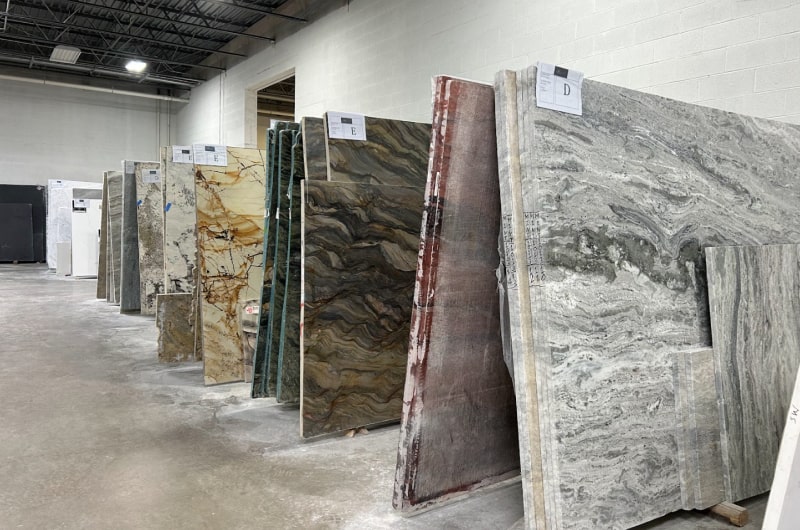
Only granite variants can run out, as it is a natural stone. Some of its slabs cost more due to their unique colors and limited availability. This way, homeowners get something that they cannot get from engineered quartz.
Which one is Worth Investing in?
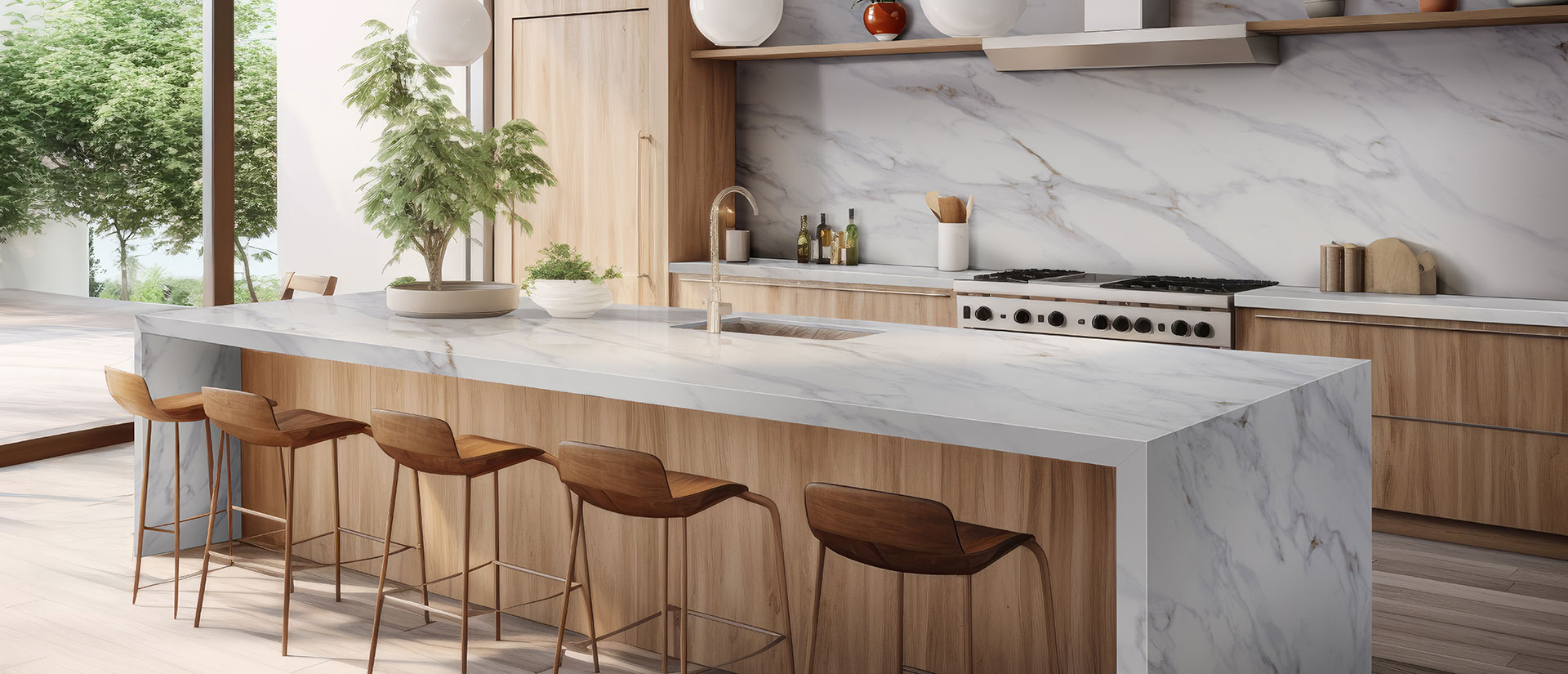
Quartz is a one-time investment. However, many homeowners still wonder, is quartz cheaper than granite? when comparing long-term value. Turn to it if you are looking for something durable, stain-resistant, antimicrobial, and low-maintenance. You can choose surfaces according to your preferences from the variety of colors, patterns, and veining. Interestingly, it allows you to enjoy the appearance of natural stone like marble while giving engineered benefits. Choosing them means easy cleaning, no sealing, solid surfaces, and a range of options to create the visual you like.
It does not minimize Granite value. It is worth considering if you are a nature lover and looking for durable, heat-resistant surfaces. Its patterns are not consistent from slab tov slab like Quartz. This means each surface has a unique texture. Things you do not get to enjoy include antimicrobial properties without sealing and ease of maintenance. Granite can last for decades when maintained properly.
In terms of pairing, both allow you to make modern, traditional, transitional, or contemporary designs. This depends on how perfectly you coordinate everything to achieve your favorite design. The other important aspect is resale value for many homeowners. These two are real gems that can hardly go out of style. It means they can increase your home value if you ever decide to shift. If you are evaluating the cost to replace kitchen countertops, both quartz and granite can provide excellent long-term value despite their upfront investment.
FAQs
Still have a few questions? Here are some additional answers to help you better understand the differences between quartz and granite beyond just their pricing.
Can I mix quartz and granite in the same kitchen?
Yes, mixing both materials in the same kitchen is a great idea. Mean, using one for the focal point and the other for the countertop. This way, you can combine the natural beauty with the engineered stone’s consistent, personalized appeal.
Do quartz and granite have different edge design options?
No, both can offer a varied range of similar edge designs, including eased, beveled, bullnose, and waterfall. The availability options depend on the fabricator, not the material itself.
Which material offers more color consistency?
Quartz provides a more consistent look in colors and patterns. Granite cannot. Its two slab designs can never have the same pattern.
Is it easier to find matching replacement pieces for quartz or granite?
Quartz replacement pieces can be easily obtained from manufacturers. It is because a massive quantity of production follows a particular pattern. Finding a Granite replacement piece after years is really a big challenge.
Do quartz and granite work well with outdoor kitchens?
Granite can perform efficiently in outdoor areas compared to Quartz. Exposure to sunlight on engineered material causes fading or discoloration over time.
Final Verdict: Is Granite or Quartz More Expensive
Granite standard or mid-range surfaces are cheaper than Quartz. However, there are premium, rare, and luxury slabs that cost more than Quartz slabs. The real difference is felt when Granite needs sealing over time. Quartz provides durability, stain-resistance, and less porous surfaces without any special treatments, and it is much easier to clean. This shows that both materials’ pricing may be similar. That can change due to core factors, which include their quality, design, your installation requirements, fabrication, and area. Many homeowners in New Jersey choose Royal Marble and Granite for its wide countertop selection and professional installation expertise.