It feels challenging to choose the best countertop material, whether for renovation or building, when you stand in a showroom. That’s because you hear names like engineered stone, Quartz, and Silestone, which are totally new for you. This shows that well-informed decisions need proper knowledge.
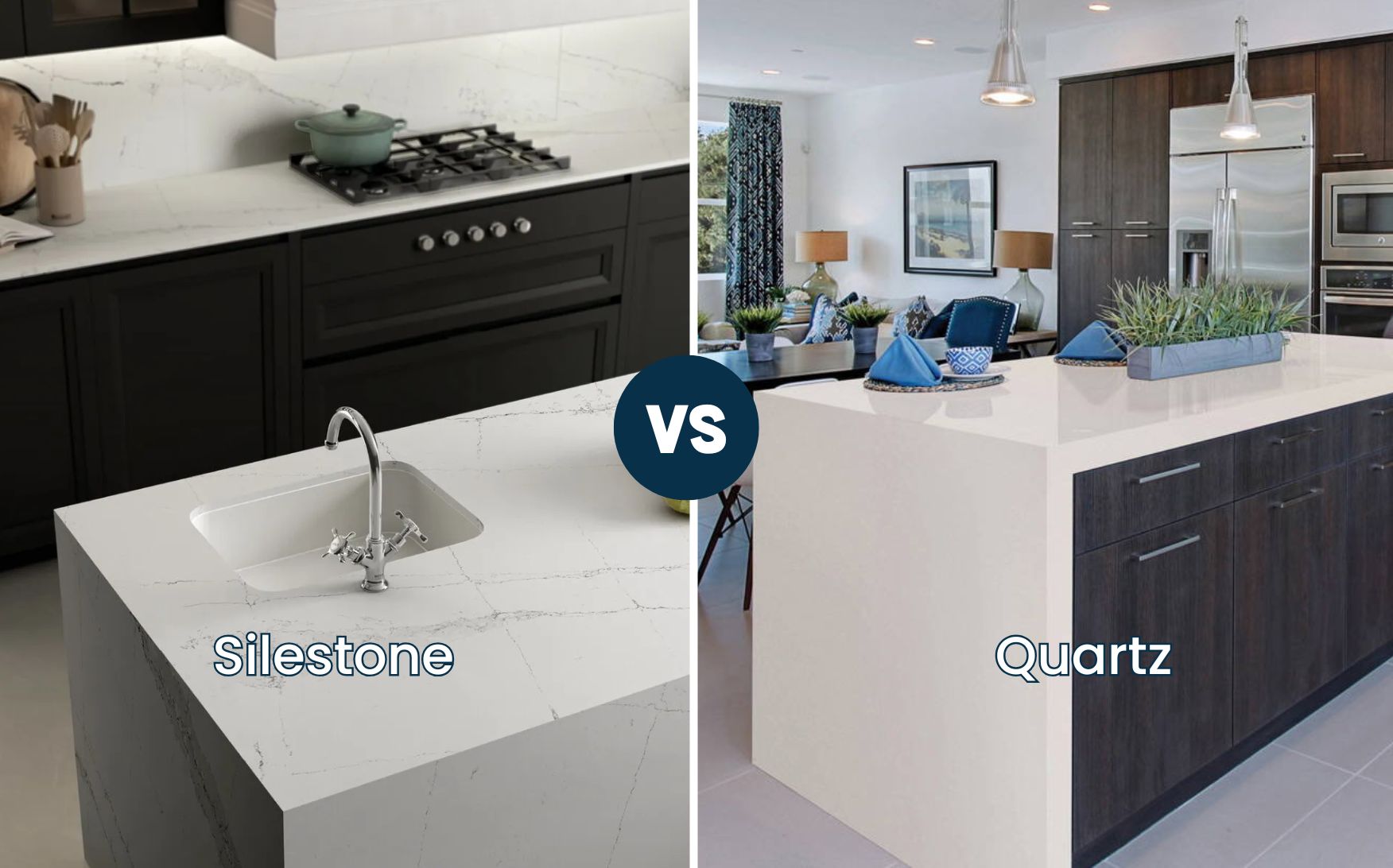
We have compiled today’s guide on the difference between Silestone and Quartz, so you don’t have to face such situations. This not only helps to pick one that is best in appearance. But also to determine which one offers better durability, maintenance, and heat resistance, and is suited to your preference.
Quick Comparison Table: Silestone vs Quartz
| Feature | Silestone Quartz | Quartz |
| Definition | A premium branded quartz made by Cosentino | An engineered stone made from crushed quartz and resin |
| Quartz Content | Consists of around 94% natural quartz | Typically, 90% to 93% natural quartz |
| Scratch Resistance | Very high | High |
| Heat Resistance | Moderate, so use triets to protect the surfaces | Moderate, trivets are recommended |
| Stain Resistance | Excellent, especially with HybriQ technology | Very good |
| Antibacterial Protection | Yes, has built-in bacteriostatic protection | Depends on the brand |
| Color and Design Options | Wide range of colors and textures | Significant variety across many brands |
| Price Range | More expensive | Budget-friendly |
| Maintenance | Very low maintenance | Very low maintenance |
| Warranty | 25+ years warranty | Varies by brand |
| Best For | Homeowners wanting premium quality and long-term protection | Homeowners looking for great quality in a flexible budget |
What is Silestone?
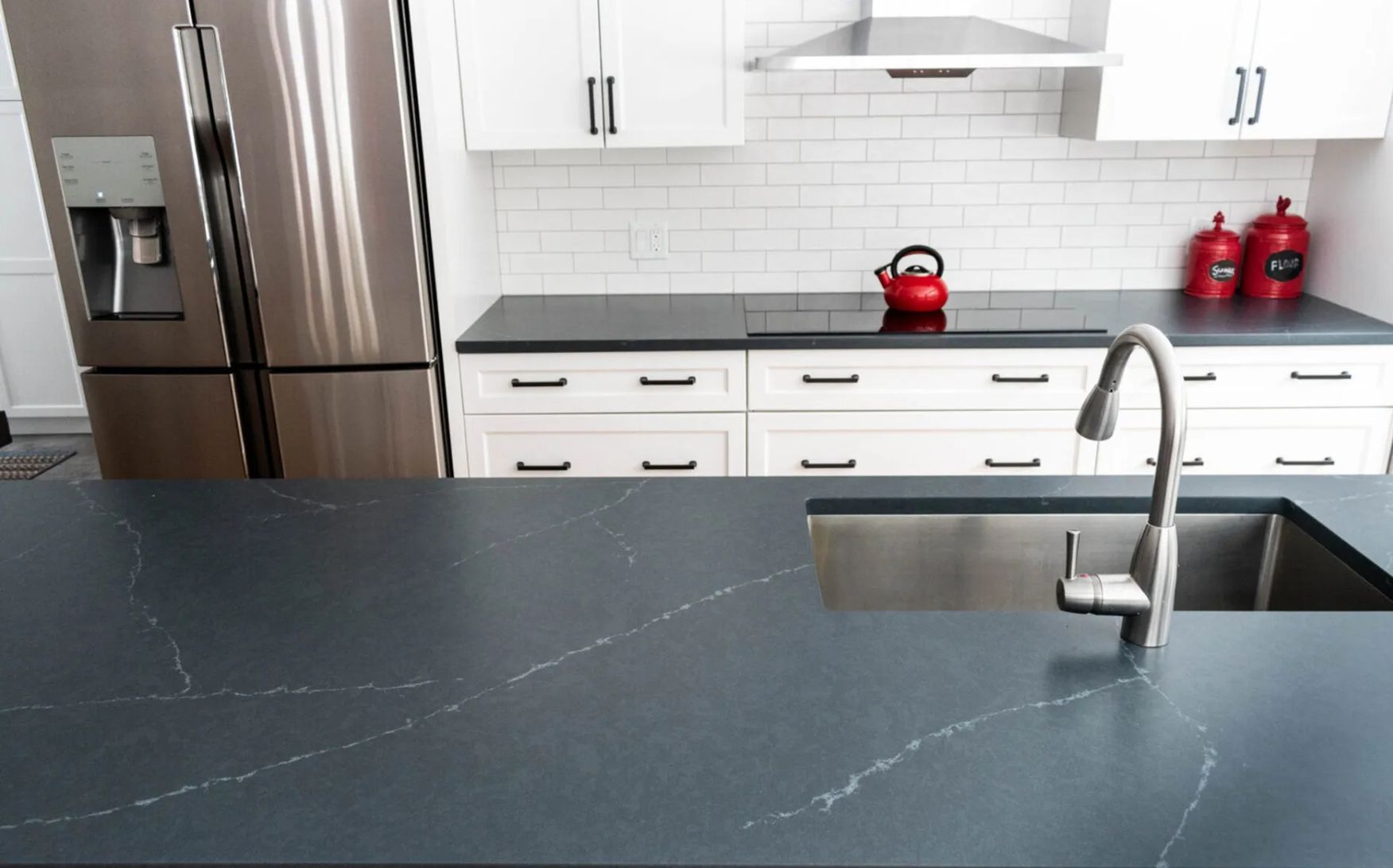
It is a premium stone manufactured by mixing 94% natural quartz with resins and pigments. As a result, a solid, non-porous, and durable surface is made that can last for decades. This unique production process, HybriQ technology, improves the scratch and stain prevention. The quantity of components can vary depending on the color homeowners want. Plus, it is more eco-friendly than traditional quartz surfaces.
Silestone is considered the first material that offers built-in bacteriostatic protection to minimize bacteria, especially in homes with kids. That’s why this sophisticated material is commonly used in kitchen and bathroom areas. Interestingly, homeowners can choose from a variety of colors and finishes to create the design they want. This material’s 25-year warranty shows that it can be a long-term investment.
What is Quartz?
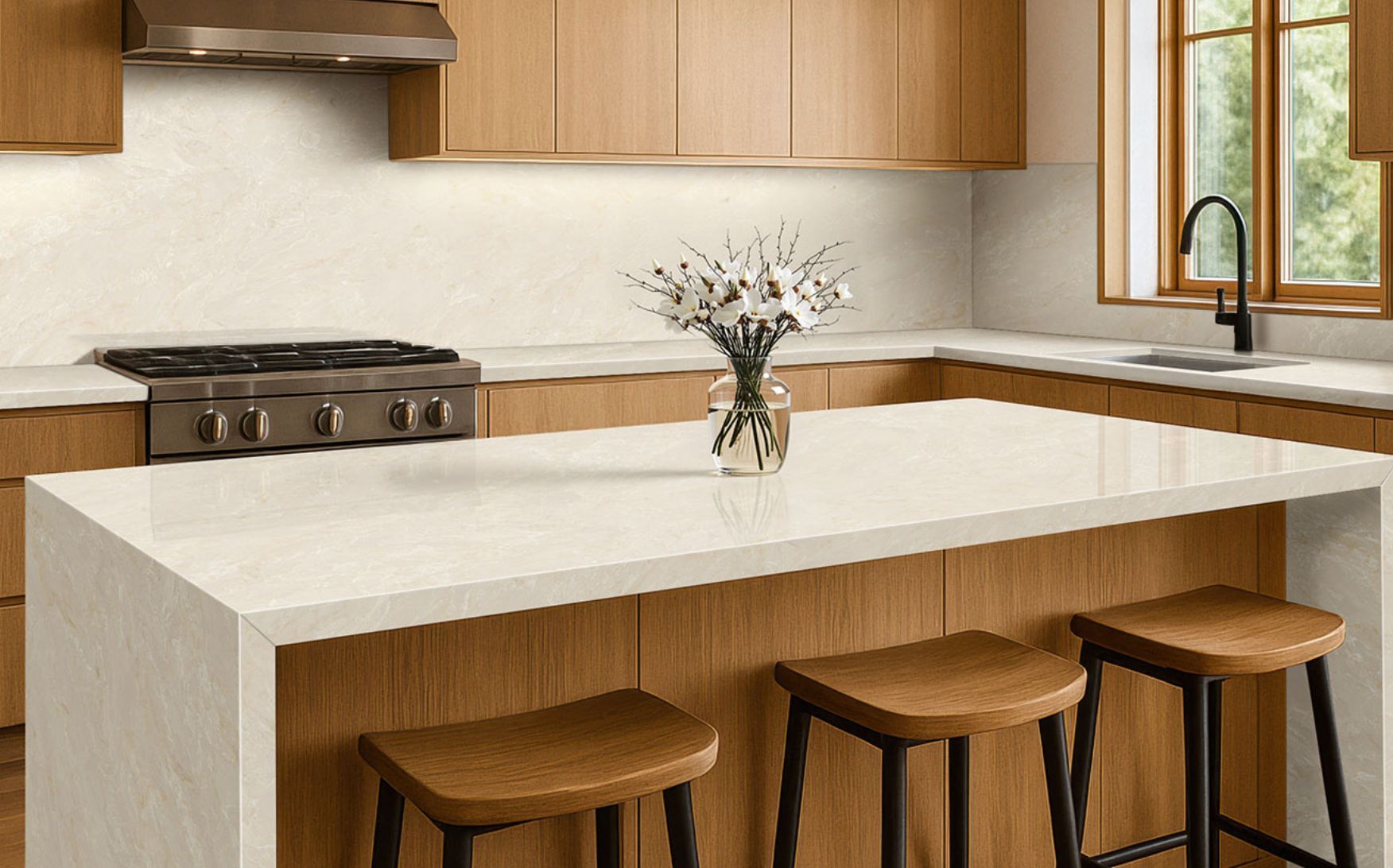
Quartz is a natural mineral quarried from the earth. It is dense, hard, and durable. Although the raw material is not directly used for countertops, engineered stone is used for this purpose. That is made by combining 90 to 93% natural crushed Quartz with resins and pigments. It is to make the surfaces non-porous, stain-resistant, apparently consistent, and durable enough to withstand daily activities. The engineered material does not need to be sealed periodically, unlike marble and granite. This makes it best for homeowners looking for low-maintenance options.
Silestone vs Quartz: Key Differences
The introduction does not particularly show a difference, so the following are some aspects to clarify it.
Composition
First of all, the main thing you may notice is that they vary in components. Silestone is made up of around 94% quartz crystals. remaining 6% consisting of polyester resin as a binder and pigments for color. The level of composition may vary based on different demands.
On the other hand, the Quartz manufacturing comprises 90% to 93% natural quartz, polymer resin, and pigments. The components percentage can slightly change due to different brands, but the formula remains the same.
Appearance
Knowing which one can give the visual impact you like is important, for sure.
Silestone Appearance
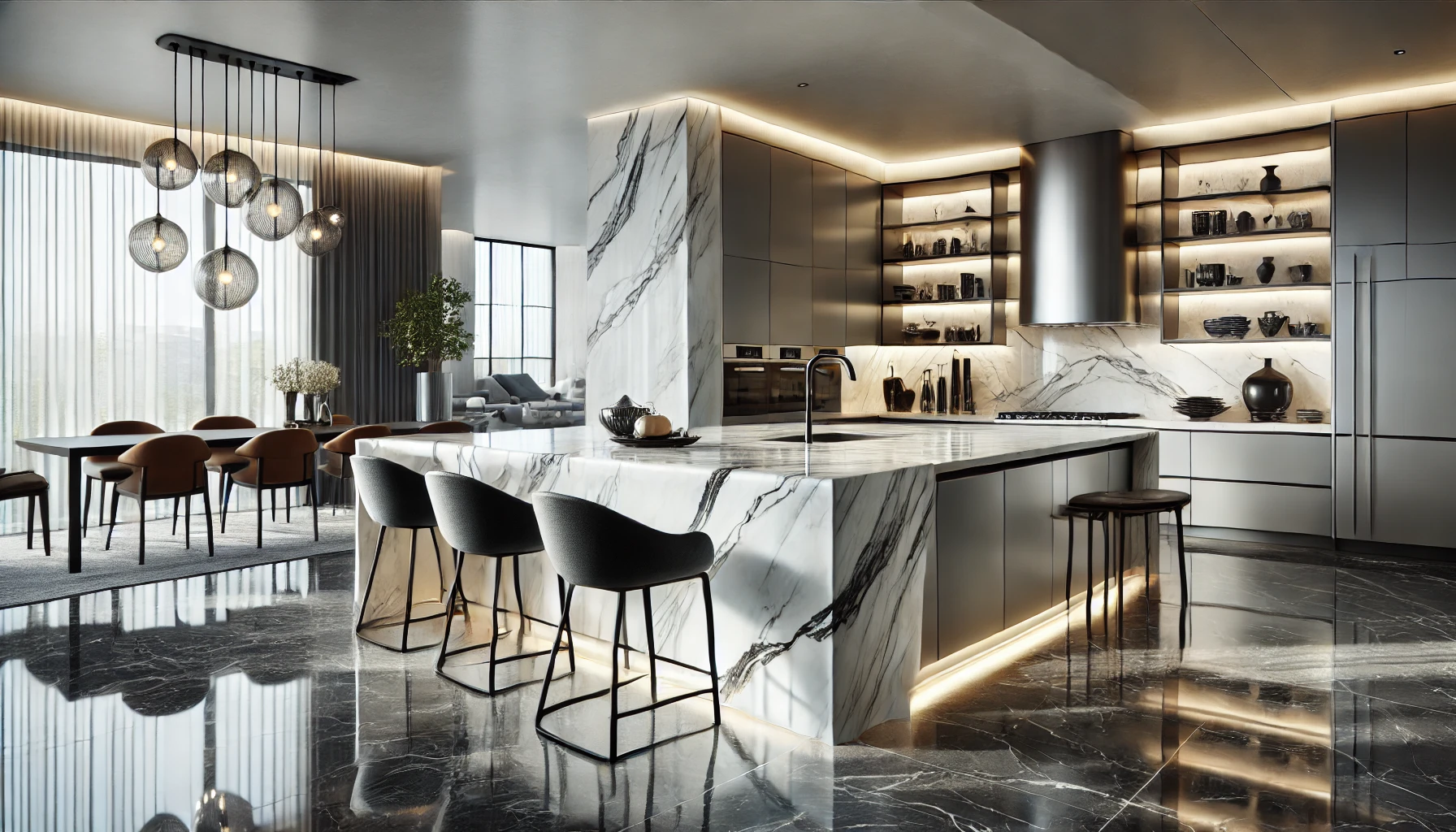
Silestone is really the updated, influential material, whether used for countertops or walls. The main reason is that it is available in a wide range of colors and realistic veining. For instance, the classical whites, grays, creams, and bolder shades, e.g., blue, pink, yellow, and orange. It means you can create an atmosphere, subtle, bright, or of a minimal look, whichever aligns with your requirement. There is much more beyond just that. You also have choices in texture. Mainly, you can pick among polished, suede, and volcano finishes.
Regular Quartz Appearance
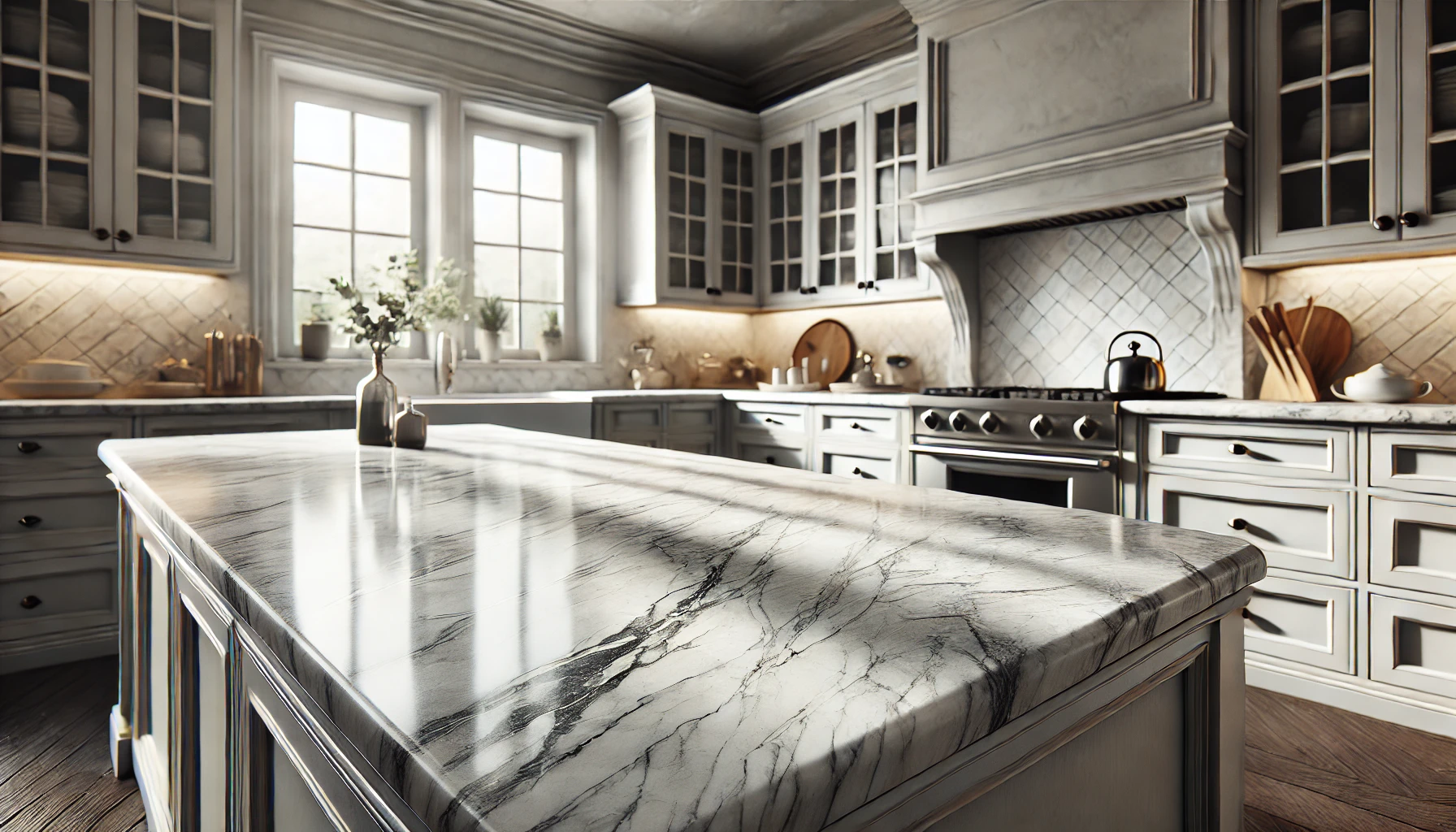
Quartz is a traditional material that comes in multiple colors, but it is prioritized for ground, warm aesthetics. Its surfaces can feel consistent through the slabs. You can see a range of clean, light, and bright tones in it. Some surfaces can feel like they mimic the texture of marble and granite. This means the Quartz is usually used when cleanliness, traditional look, and minimal effect are priorities.
Durability & Maintenance
Both can be solid and scratch-resistant, so where is the difference?
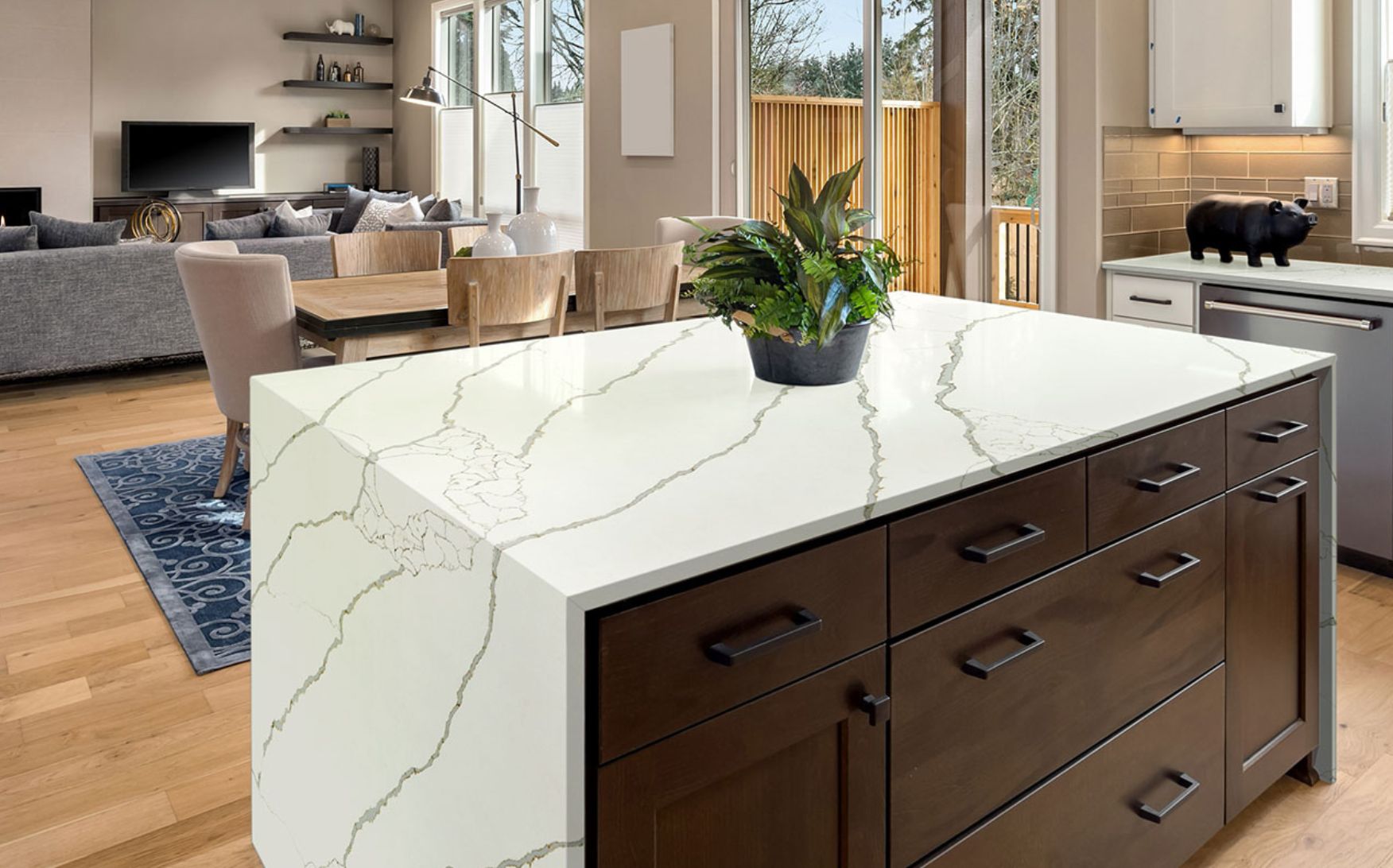
The branded option, Silestone, commonly uses a quality resin that makes it slightly stronger than regular quartz. Due to this, the minor stains and scratches are less likely to appear. It also has bacteriostatic protection to create a hygienic surface. These are the advantages of Silestone over typical quartz in maintenance and durability. Silestone is mainly for indoor use, but HybriQ+ variants can be used in covered outdoor areas. This makes silestone outdoor countertops suitable only in controlled environments rather than in fully exposed sunlight.
Now, let’s turn to Quartz. It does not need to be sealed after a specific period like natural stones. Its surfaces are also considered antimicrobial due to manufacturing, making them non-porous. It means the germs can hardly grow in pores when liquid spills. It showcases that it is also easy to maintain, but does not get any special treatment to prevent germs. The small stains and dents do not get prominent if maintained properly.
Longevity
With this modern variant, you get the warranty of almost 2.5 decades. Its mean it will remain valuable even if you sell your home and contribute to your resale value. Due to the company’s confidence, this engineered product is considered a branded option.
In contrast, the Quartz warranties change from brand to brand. It can easily run for 2 decades with care. It means selecting a well-reputed band is also important. It’s better to look for only those who guarantee their products. It ensures the surfaces are strong enough to last for years.
Cost Analysis
Most homeowners are looking for a budget-friendly option. Therefore, below is the cost comparison of these gems.
Quartz countertops cost ranges around $50 to $100 per square foot, including installation. This number can slightly change due to brands, colors, and thickness.
Due to branded manufacturing, Silestone costs more, ranging from $60 to $150+ per square foot installed. It is because of the advanced advantages.
Pros and Cons of Silestone
You may be thinking about the limitations of Silestone. Here are the perks and drawbacks to look for.
| Pros | Cons |
| Built-in antibacterial protection that keeps bacteria away, which is the top priority for families with young kids | Costs more than regular quartz, which can be tough on a tight budget |
| Extremely hard and scratch-resistant, so everyday kitchen use will not leave a mark on it | Hot pans placed directly on the surface can cause damage, so trivets are recommended |
| Comes in a huge range of colors, patterns, and finishes, allowing you to design space however you like | Prolonged exposure to sunlight causes discoloration, so it works as an indoor material |
| Comes with a 25-year warranty | Harsh chemicals and acidic cleaners can damage the surface finish |
| A non-porous surface means liquids do not seep in, making cleaning easy | Coffee, wine, and oil can still leave marks if spills are left sitting for too long without wiping |
| N-Boost technology gives the surface a noticeably brighter and more vibrant look | Its heavier weight sometimes requires extra cabinet reinforcement before installation |
| Can be used for countertops, walls, floors, and sinks, making it very versatile | Higher installation cost compared to regular quartz due to its weight and complexity |
| No sealing, no polishing, and no special products needed to maintain it |
Pros and Cons of Quartz
| Pros | Cons |
| Available at a much more budget-friendly price compared to Silestone, making it accessible for many homeowners | Performance and quality can vary quite a bit depending on the brand you choose |
| A non-porous surface means spills and liquids never seep in, keeping the countertop safe from stains | Does not come with built-in antibacterial protection as Silestone does |
| Extremely durable and scratch-resistant, making it a reliable choice for busy kitchens and bathrooms | Hot pans placed directly on the surface can still cause damage, so trivets are always recommended |
| No sealing or special maintenance required, just a simple wipe down keeps it looking great | Resin content makes it vulnerable to harsh chemicals and abrasive cleaning products |
| Comes in a wide range of colors and patterns to suit most kitchen and bathroom styles | Not suitable for outdoor use, as UV exposure results in discoloration over time |
| Consistent and uniform appearance throughout the slab, so what you see in the showroom is exactly what gets installed | Warranty coverage varies from brand to brand, so you need to check carefully before buying |
| Much lighter on the wallet in the long run, since it needs very little upkeep over the years | Bold and unique color options are more limited compared to Silestone |
| Available from many different brands, giving you more flexibility in terms of budget and design | Finish options are generally limited to a polished surface in most standard quartz brands |
Silestone vs Quartz FAQs
Here are the answers to some more questions you may be curious about. So, let’s know more about them:
Can Silestone and quartz be used outdoors?
No, neither is recommended for use on outdoor surfaces. Direct contact with sunlight may harm their appearance over time. They can only perform effectively in interior areas.
Can Silestone be repaired if it gets chipped?
Yes, Silestone can be repaired if you take rapid care steps, even on minor chips. Call a professional on big ones.
Does Silestone increase home value?
Yes, the visuals it gives the home increase its resale value. It’s one of this product’s benefits.
Which option is better for modern kitchen designs?
Both can work in modern, contemporary designs. The decision completely depends on the color, finish, and design style you want to achieve.
How do I choose between Silestone and quartz?
There are key aspects to consider to determine which one can work best for your choice. It includes your budget, preferred design, warranty expectations, and brand preferences. Don’t forget to check the sample by placing at your space to see if it really looks how you think.
Final Verdict
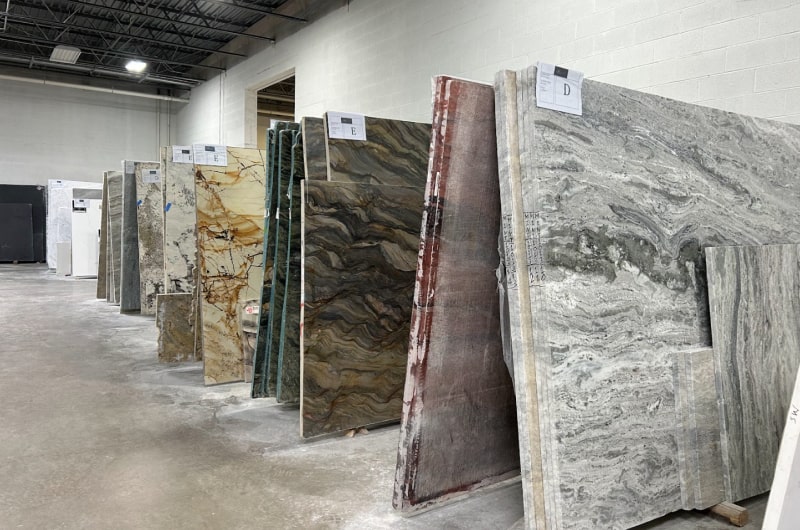
The Silestone is performing as a modern, updated, and branded option. Quartz is considered for a traditional, classical, minimal look. Its composition varies from brand to brand. Silestone composition varies depending on homeowners’ preferences. Plus, you get many options in colors, patterns, and finishes. Quartzite also comes in multiple main colors and their tones.
It is more durable and low-maintenance than natural stone. On the other hand, Silestone possesses antibacterial properties. All these differences showcase that both are better options. One is a local product while the other is a branded product. So, your choice ultimately depends on factors that are important to you, like any particular color, longevity, and cost. Royal Marble and Granite is often chosen in New Jersey for quality countertop selection and installation.